To establish a platform for interschool exchange in Chinese language teaching, promote teachers’ professional growth, and integrate high-quality teaching resources, RDFZ United Schools organized a joint Chinese language teaching and research activity on the afternoon of May 19. Chinese language teachers from RDFZ and its member schools participated both online and in person, focusing on frontier technologies and professional competence through experience sharing and in-depth discussion. Mi Qi, Deputy Party Secretary of RDFZ and RDFZ United Schools, Principal of RDFZ, and Executive Vice President of RDFZ United Schools; Li Ying, Deputy Party Secretary of RDFZ and RDFZ United Schools; Lu Haijun, Vice Principal of RDFZ; and other school leaders attended the event. Wu Ling, Head of the Chinese Language Teaching and Research Group at RDFZ, presided over the activity.
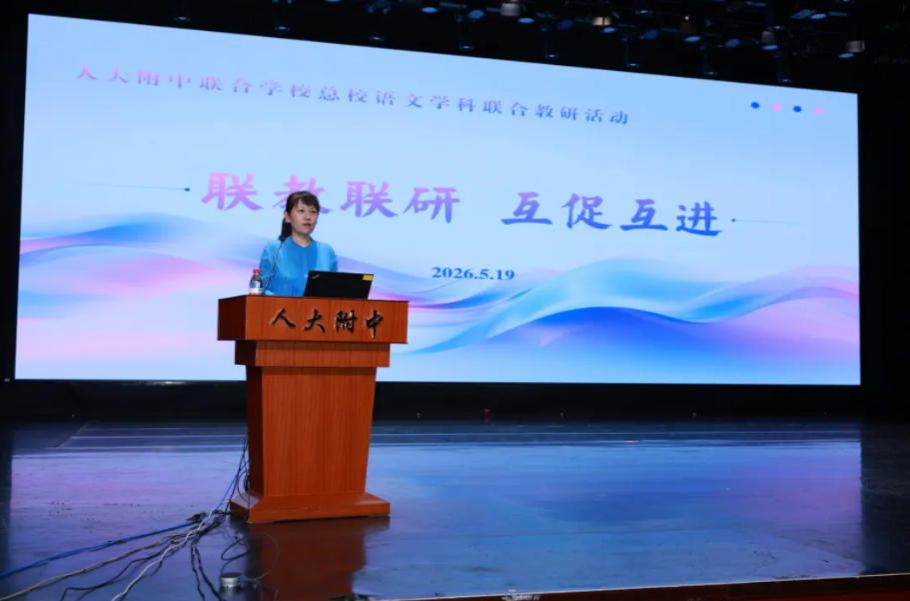
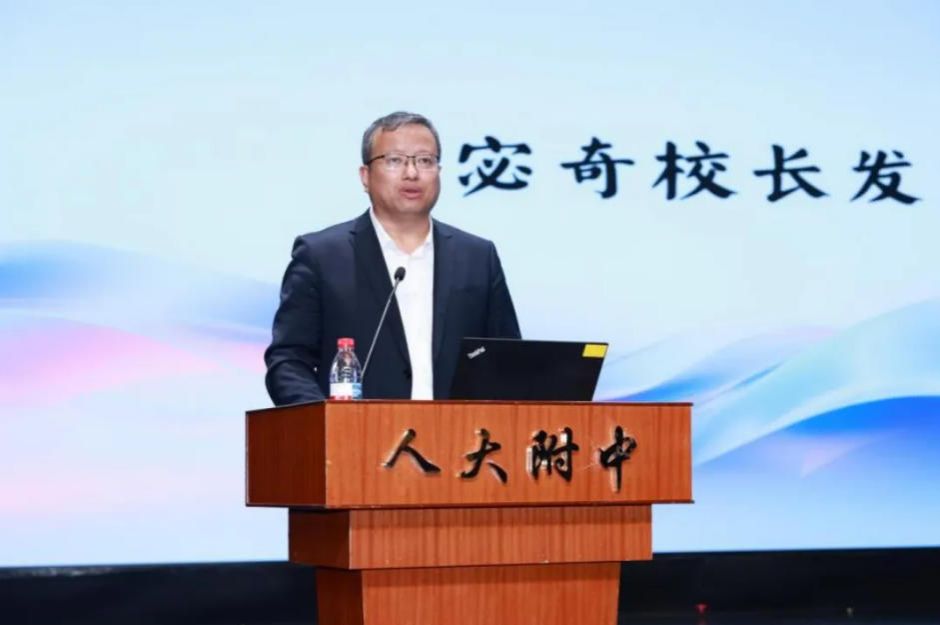
Principal Mi Qi delivered remarks. Mi noted that the activity centered on two core themes: technological empowerment and teacher development, and represented an innovative experiment in the school’s approach to teaching and research. It not only deepened the substance of group-based school development, but also helped build a collaborative educational ecosystem. Against the background of digital transformation in education, traditional teaching models urgently need upgrading, while smart teaching tools and online education platforms are bringing new vitality to teaching. Mi expressed the hope that teachers would use digital methods such as smart education platforms and big-data analysis to break through the temporal and spatial limitations of traditional classrooms and make teaching more multidimensional. Mi also emphasized that teachers’ professional growth depends not only on classroom practice but also on collective collaboration, making the integration of educational resources across the school group especially important.
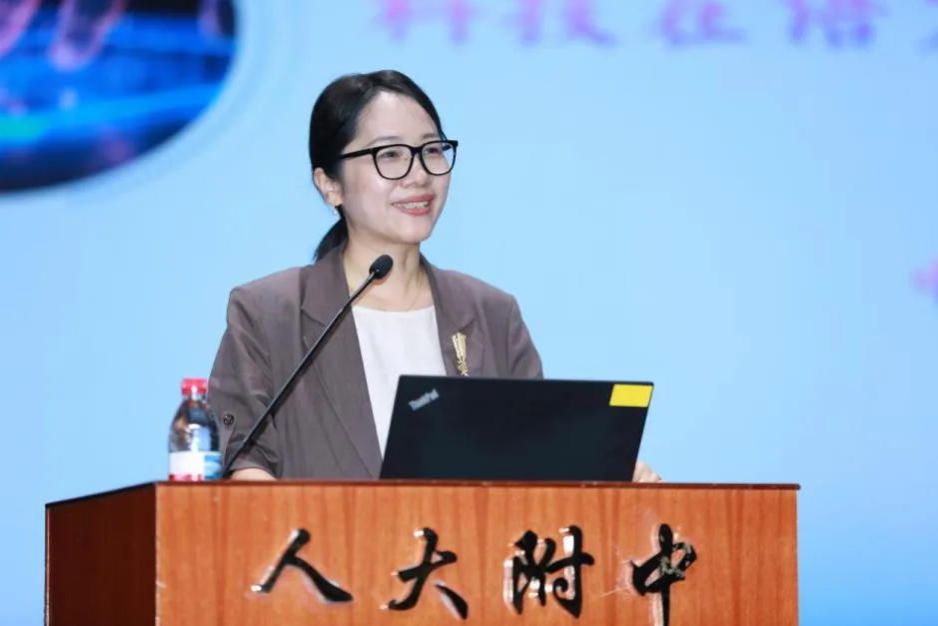
01 Technology Empowering Chinese Language Teaching.In the first session, participants exchanged views and held discussions under the theme “Technology Empowering Chinese Language Teaching.” Liu Miaoying delivered a presentation titled “Applications of Technology in Chinese Language Teaching and Lesson-Preparation Team Work.” Focusing on the practical use of AI in Chinese language teaching, Liu highlighted applications of AI tools in assessing foundational knowledge, teaching writing, and accumulating learning materials. Examples included using AI to generate mini-programs for recitation checks, helping students build stores of writing material, and improving the efficiency of data analysis within lesson-preparation teams. Through specific cases, Liu also explained how technology can stimulate student interest and make Chinese language teaching more engaging and effective, providing teachers with practical and replicable technology-enabled teaching solutions.
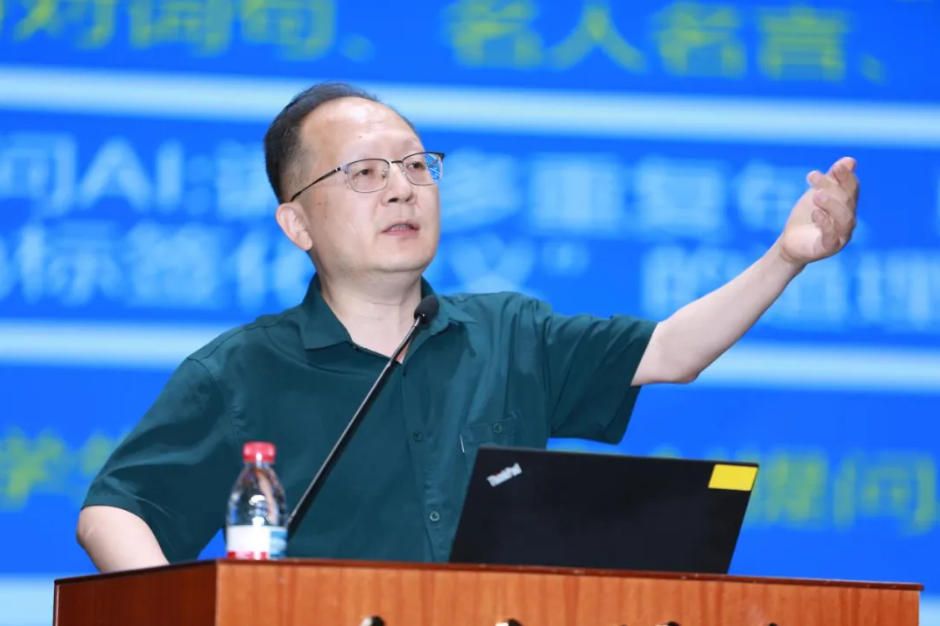
Liu Chengzhang then shared a case titled “Multiple Dialogues, Symbiotic Thinking: Critical-Thinking Instruction in Chinese Language Education through Human-AI Collaboration.” Liu proposed the teaching concept of “multiple dialogues and symbiotic thinking,” exploring how human-AI collaboration can guide students toward deeper thought and stronger critical-thinking skills. Liu advocated a three-in-one model of “student + teacher + AI,” allowing technology to genuinely serve the development of students’ thinking and bring new vitality to the Chinese language classroom.
02 Professional Growth of Chinese Language Teachers.In the second session, the activity focused on the professional growth of Chinese language teachers. Liu Qian presented “How to Prepare a Lesson from Scratch.” Drawing on personal teaching experience, Liu broke down the complete lesson-preparation process in detail: independently reading and interpreting the text, understanding students’ learning conditions, consulting authoritative resources, defining precise instructional objectives, and designing classroom activities around a central task. Each step was illustrated with concrete examples, offering highly practical guidance for young teachers and addressing the common difficulties of not knowing how to prepare a lesson or how to prepare one well.
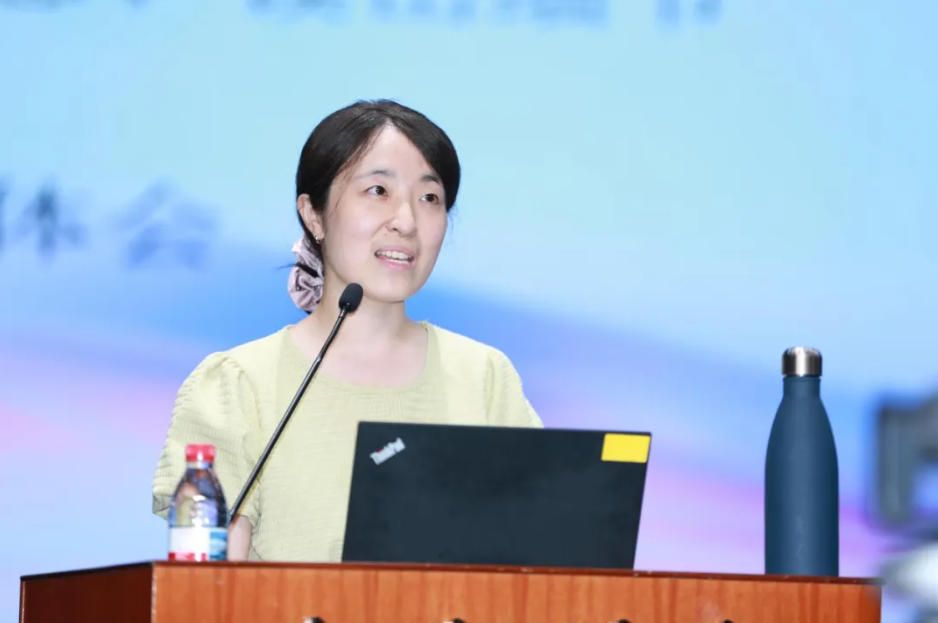
Finally, Xu Xiaoying shared “Cultivating Strong Foundations and Reflecting for Long-Term Growth: A Professional Journey Beginning with a Lesson-Presentation Competition.” Drawing on personal professional experience and lessons such as “Jian Jia” and “Calming the Waves,” Xu described the entire journey from participating in lesson-presentation competitions to working deeply on classroom teaching. Xu advanced the idea that “teaching should begin with questions” and proposed three levels of classroom engagement: entering into the text, immersing oneself in it, and then moving beyond it. Xu also emphasized the importance of continuity between junior and senior secondary education, vocabulary teaching, and the close appreciation of classic texts, providing valuable practical experience for teachers’ professional growth.
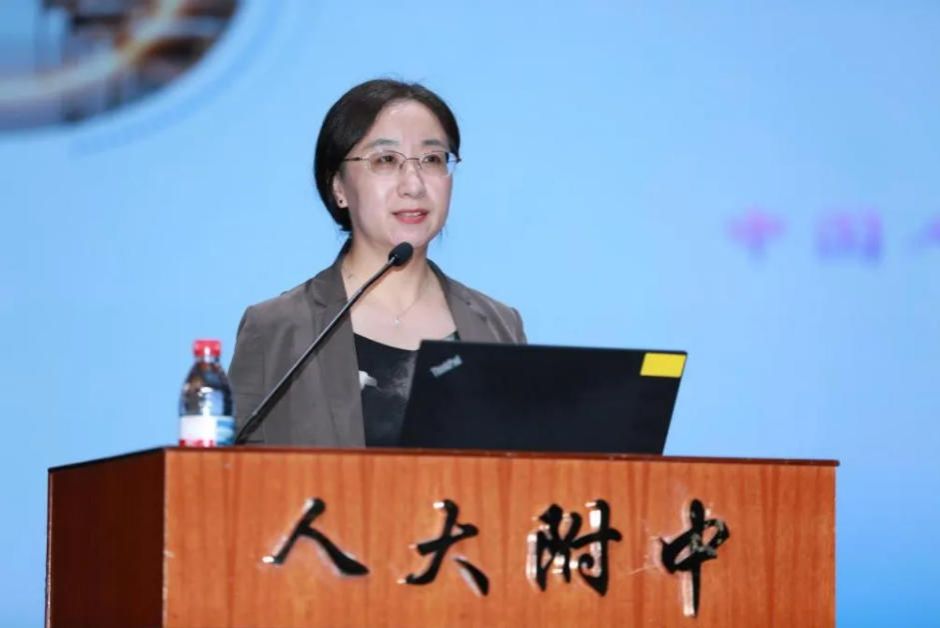
The four teachers’ presentations closely addressed the realities of frontline teaching and aligned strongly with trends in the development of Chinese language education, fully stimulating the enthusiasm of all participants for discussion. During the interactive exchange, frequent dialogue between presenters and participants created a lively and engaged atmosphere. Drawing on their daily teaching practice, authentic classroom challenges, and the distinctive features of their respective schools, teachers shared views on pressing and complex issues such as the deep integration of AI into Chinese language classrooms and efficient, practical methods of lesson preparation. The discussion was both active and highly effective.
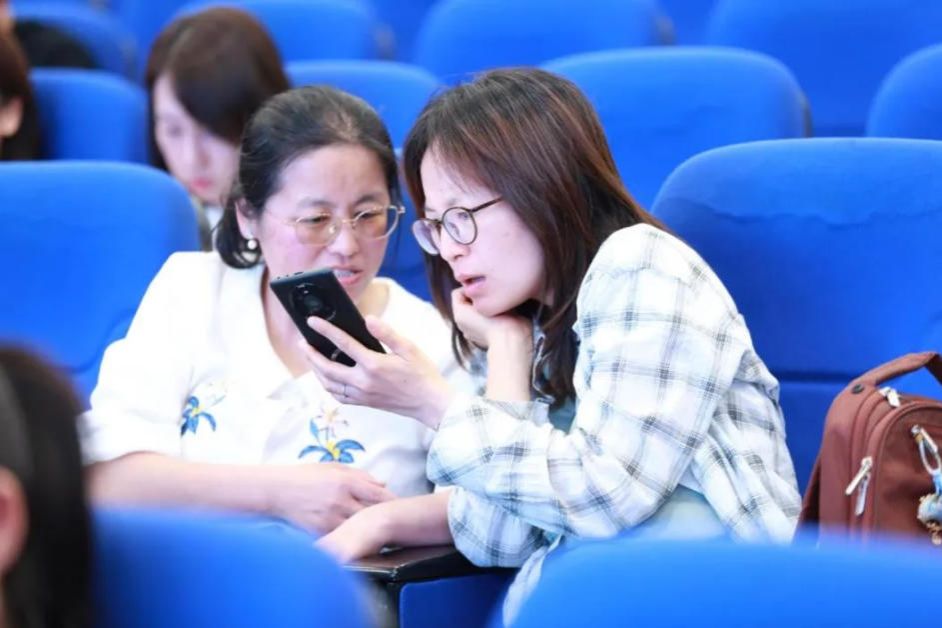
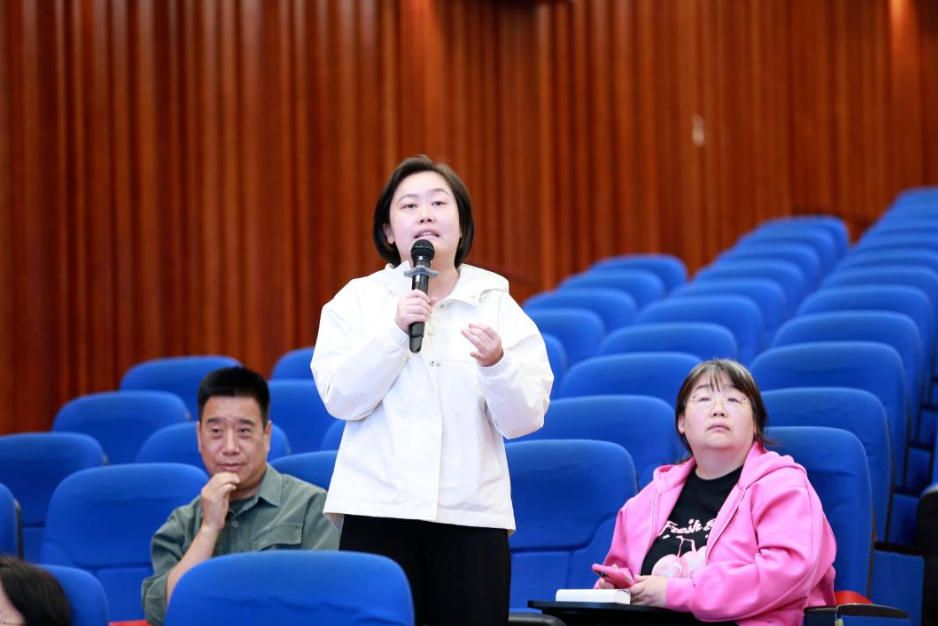
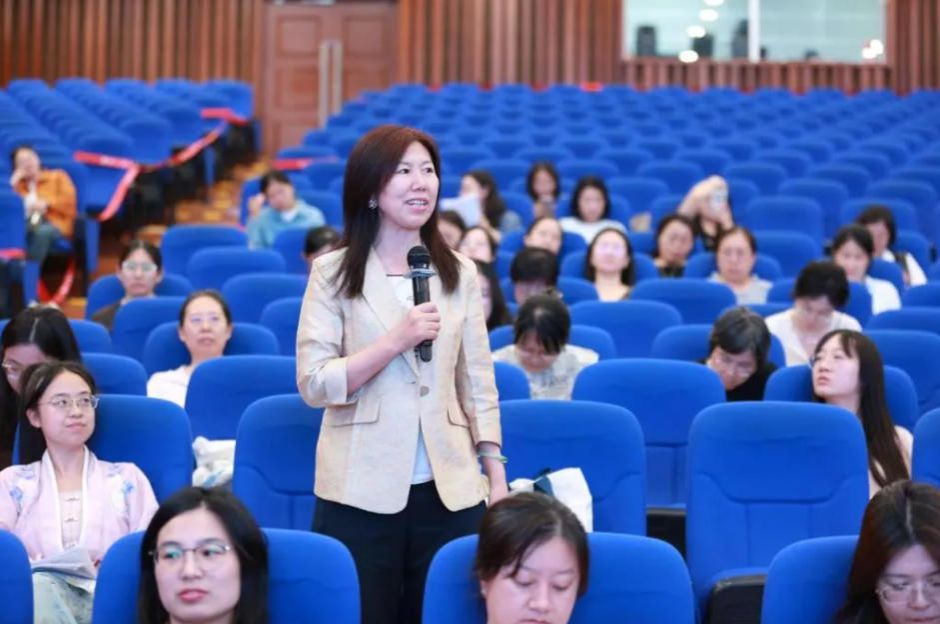
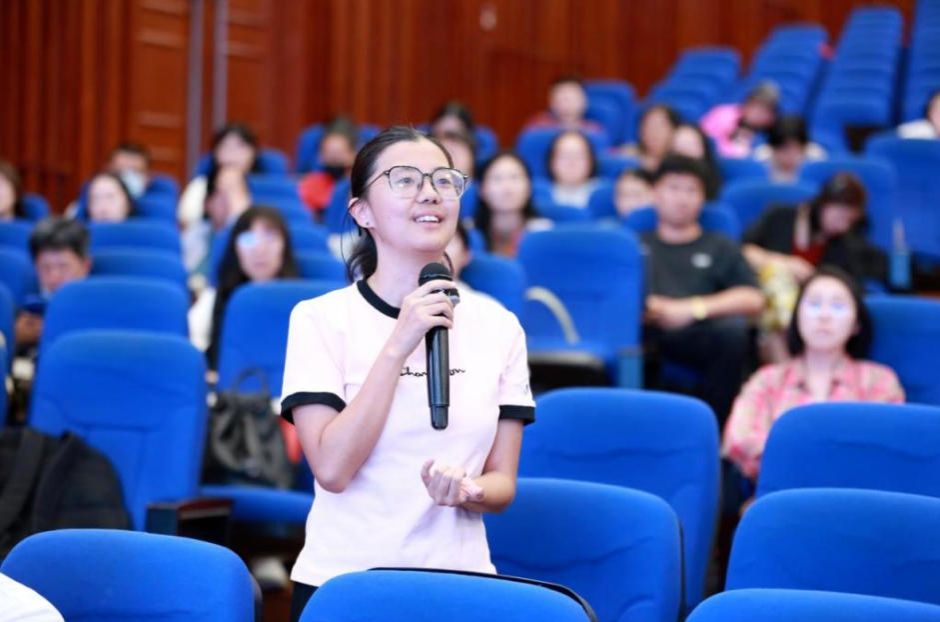
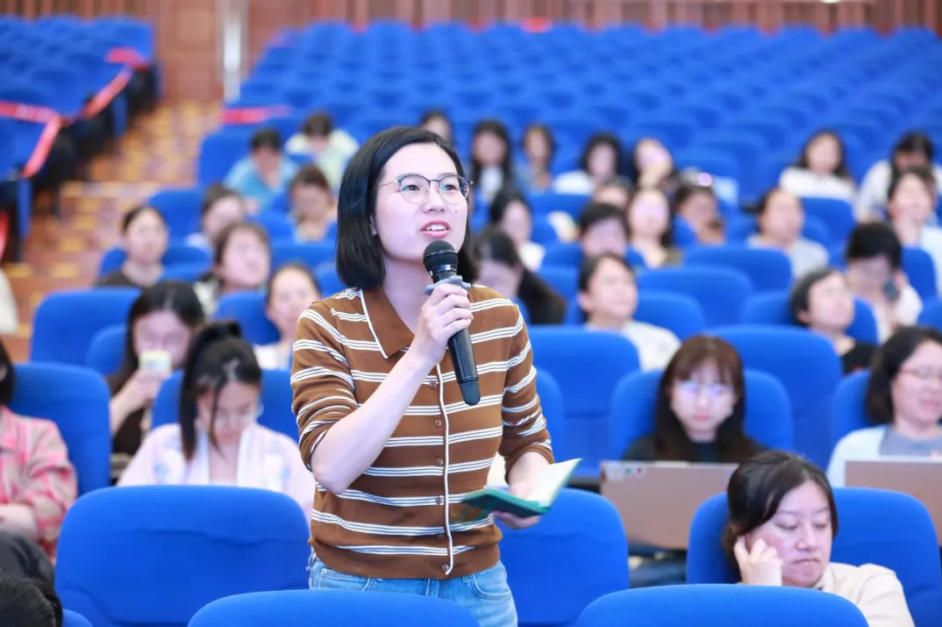
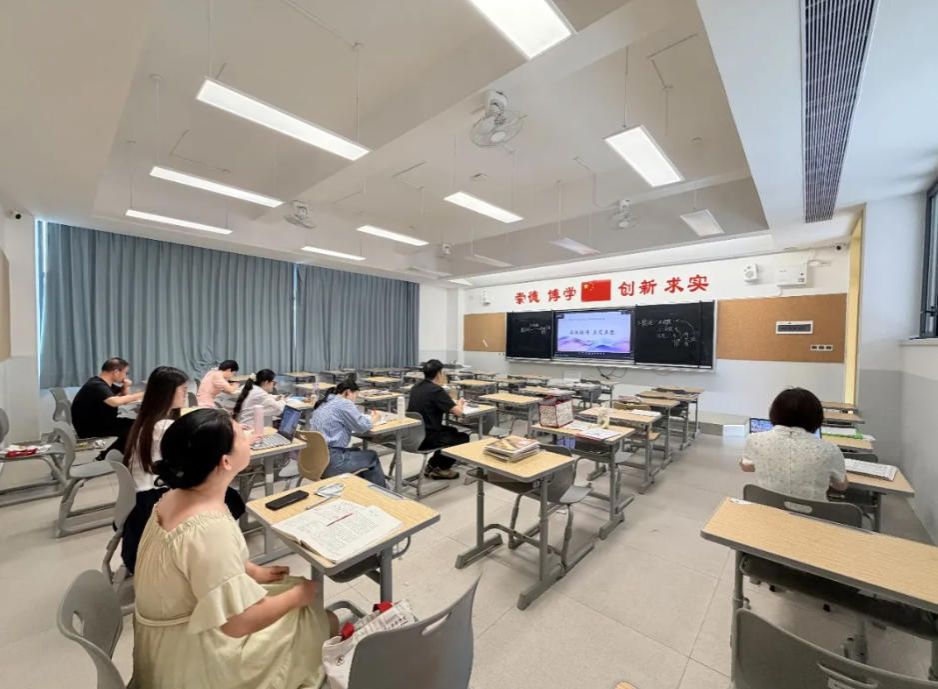
The activity fully leveraged the advantages of the RDFZ United Schools platform. More than one hundred teachers from member schools participated at the in-person venue, while online sub-venues were simultaneously opened to all member schools, enabling coordinated participation and synchronized learning across schools. This dual-track online-and-offline model transcended the limitations of time and space and enabled high-quality teaching-research resources to be shared efficiently throughout the school group.
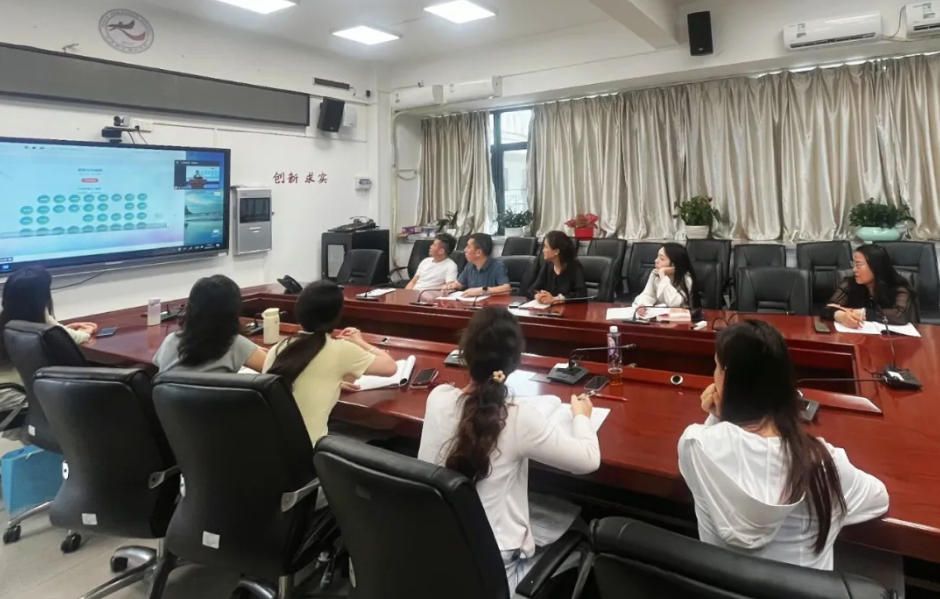
The joint teaching and research activity combined forward-looking ideas about technology-enabled teaching with solid examples of classroom practice. It offered both theoretical depth and practical teaching methods, effectively built a bridge for interschool exchange, and helped Chinese language teachers broaden their instructional thinking and enhance their teaching capabilities.


