On March 25, the "AI-Empowered Innovative Talent Cultivation" Curriculum Seminar of the Future Teachers Public Welfare Program, along with the RDFZ and RDFZ Affiliated Schools Headquarters AI Action Plan Eight Curriculum Clusters Construction Exchange Activity, was successfully held at RDFZ and RDFZ Primary School. Through the observation and discussion of more than 30 high-quality research lessons, the event showcased the phased achievements of AI-empowered innovative talent cultivation and the construction of eight curriculum clusters oriented toward national strategic needs.
This event was hosted by the China Teachers Development Foundation, with the Future Teachers Public Welfare Program's AI Education and Teaching Application Laboratory providing academic guidance. It was co-organized by the Laboratory's Innovation Group, RDFZ, RDFZ Primary School, and the RDFZ Affiliated Schools Headquarters, with the aim of jointly exploring new pathways for enhancing teachers' AI competencies and implementing "integrated education across all academic stages" for the future.
Opening Ceremony Jointly Launches a New Journey of AI-Empowered Education
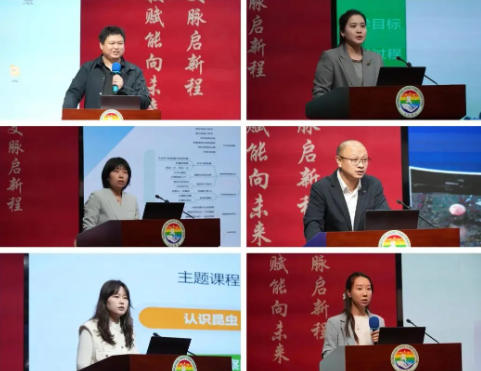
The opening ceremony was grandly held in the Yifu Building auditorium at RDFZ. Mi Qi, Deputy Party Secretary of the RDFZ and RDFZ Affiliated Schools Headquarters CPC Committee, Principal of RDFZ, and Executive Vice-Principal of the RDFZ Affiliated Schools Headquarters, presided over and gave a speech at the event. He pointed out that artificial intelligence, as a strategic technology leading the future, is profoundly reshaping the educational ecosystem and posing new challenges for talent cultivation.
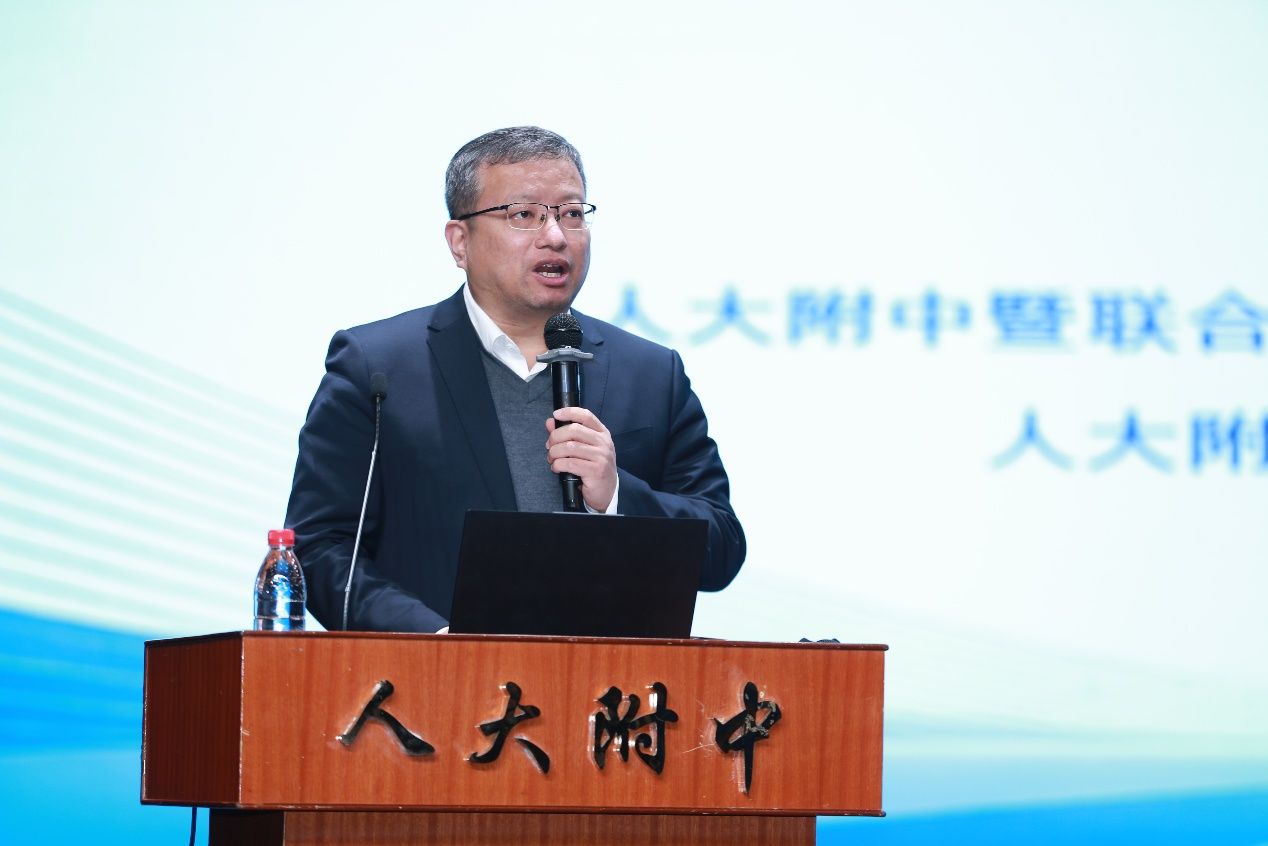

Mi Qi elaborated on the core mission of the "Future Teachers Public Welfare Program" — guided by the Department of Teacher Affairs of the Ministry of Education, established by the China Teachers Development Foundation, and supported by the Beijing ByteDance Public Welfare Foundation — and on RDFZ's responsibility as the lead institution for the project. He emphasized that RDFZ and its affiliated schools have built a distinctive talent cultivation system to respond to the demands of the times through educational innovation: with the "dual helix of values leadership and intelligent literacy" as the educational core, the "four-tier integrated ladder across all academic stages" as the cultivation pathway, and the "RDFZ" four-dimensional drive engine as the framework, the school focuses on building eight curriculum clusters — intelligent governance and the future of humanity; artificial intelligence and interdisciplinary integration; embodied intelligence and intelligent manufacturing; aerospace technology and space-air intelligence; core chips and micro-nano electronics; quantum technology and future computing; emerging energy and advanced materials; and life sciences and smart agriculture — to promote the deep rooting of AI education.
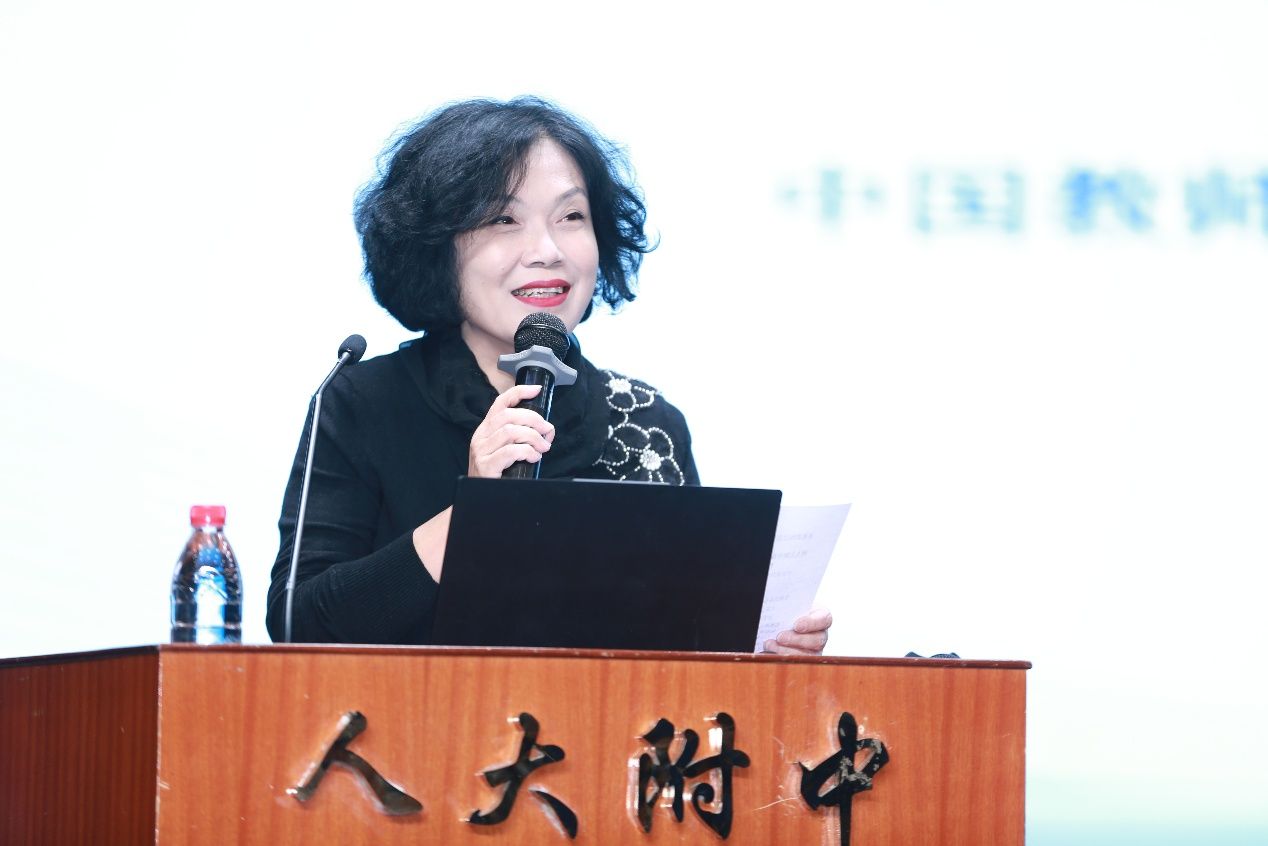
Zhang Dongyan, Vice-Chairperson and Secretary-General of the China Teachers Development Foundation, attended the opening ceremony and gave a speech. She introduced the founding mission, direction of advancement, and four-level coordinated working system of the "Future Teachers Public Welfare Program," and highly affirmed the mission and the practical achievements demonstrated by RDFZ as the lead institution for the project's Innovation Group. For the next phase of the project, Zhang Dongyan put forward three hopes: first, to uphold the educational founding mission and promote collaborative empowerment of teaching practice by human educational wisdom and AI; second, to deepen the curriculum cluster system, creating high-quality, replicable, and scalable teacher training resources; and third, to fully leverage the role of demonstration and leadership to widely mobilize more schools and teachers to participate deeply in the project.

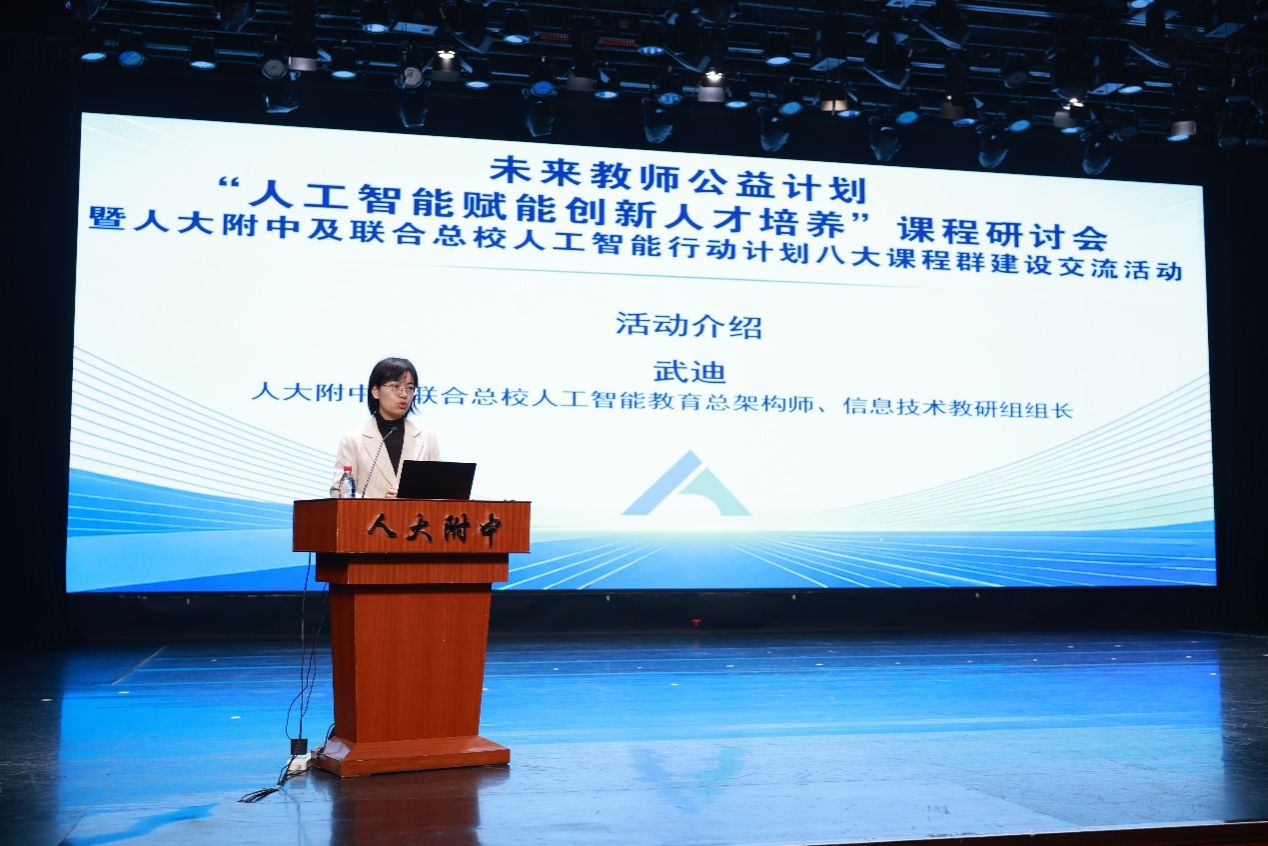
Wu Di, the Chief AI Education Architect and Head of the IT Teaching and Research Group at RDFZ and the Affiliated Schools Headquarters, provided a detailed introduction covering the implementation background of the "Future Teachers Public Welfare Program," the work of the AI Education and Teaching Application Laboratory's Innovation Group, and the overall layout of the RDFZ and RDFZ Affiliated Schools Headquarters AI Action Plan and the specific progress of the eight innovative curriculum clusters, giving the guests present a clearer and more comprehensive understanding of the practical pathways and development plans for AI education.

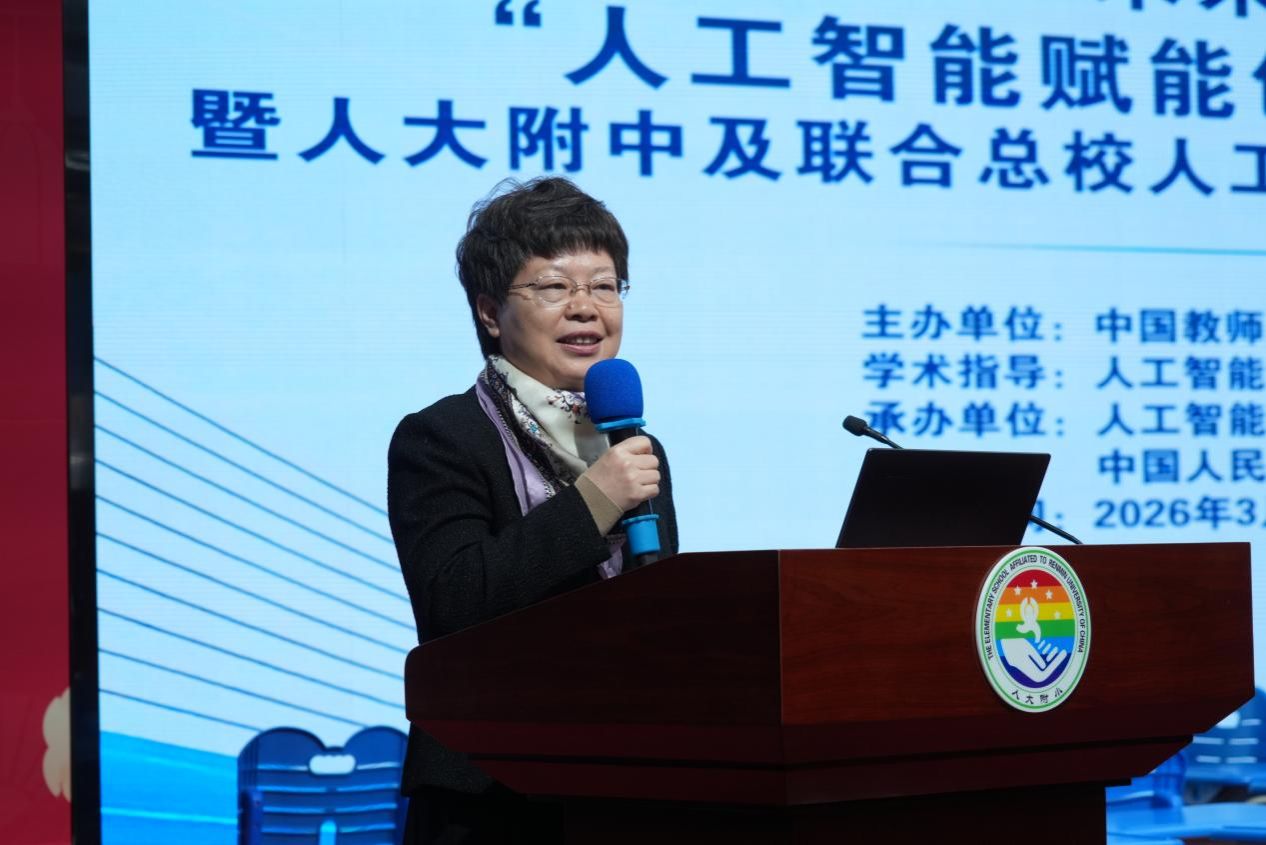
The primary school sub-venue was held at RDFZ Primary School. RDFZ Primary School Principal Zhang Dongmei warmly welcomed all guests and briefly introduced some of the school's practical experiences in building the eight curriculum clusters, using AI to empower innovative talent cultivation, and building an integrated intelligent education ecosystem across all academic stages.

Research Lesson Showcase Witnesses the Deep Integration of AI and Education
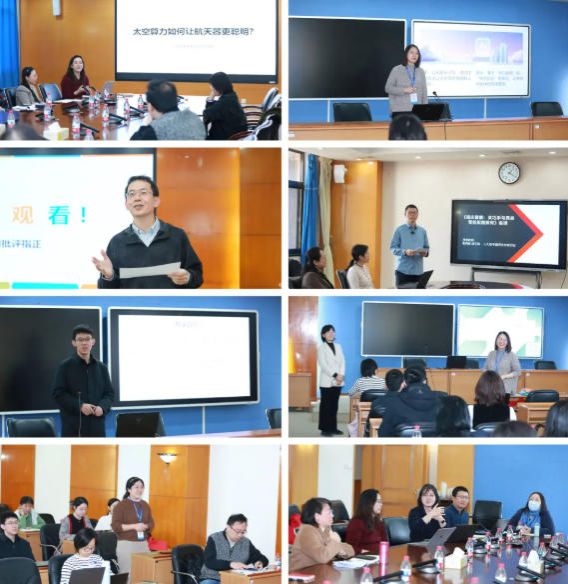
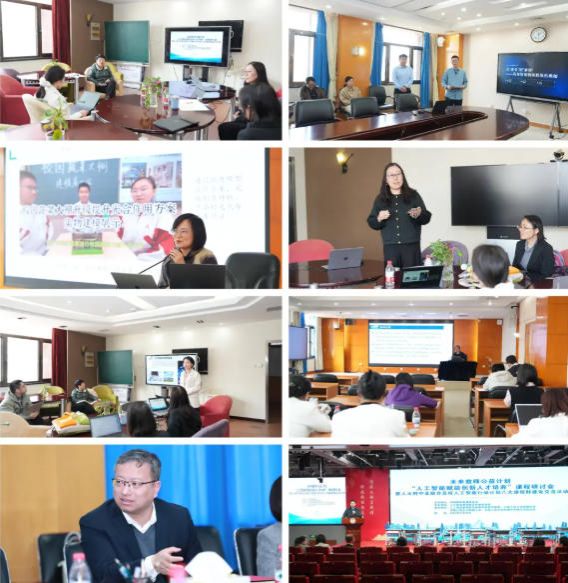
This event featured a secondary school main venue (RDFZ) and a primary school sub-venue (RDFZ Primary School), showcasing 32 research lessons covering all academic stages from primary school through senior high school and involving the eight curriculum clusters, visually demonstrating the implementation of AI from concept to practice.
The instructors came from RDFZ, some member schools of the RDFZ Affiliated Schools Headquarters, RDFZ Primary School, Chengdu No. 7 High School, the High School Affiliated with Nanjing Normal University, Shenzhen Futian Shixia School, and other collaborative schools of the national Innovation Group. Bringing AI education experience from across the country, they used AI tools such as Coze, Doubao, Zhipu GLM, and DeepSeek to develop innovative teaching resources and design interactive teaching activities, truly integrating AI into curriculum design, teaching implementation, and learning assessment, making AI an "endogenous variable" in the classroom.
The following is a tour of the 32 research lessons, reviewing the explorations and insights of teachers and students empowered by AI across the eight innovative curriculum clusters:
1. Intelligent Governance and the Future of Humanity Curriculum Cluster
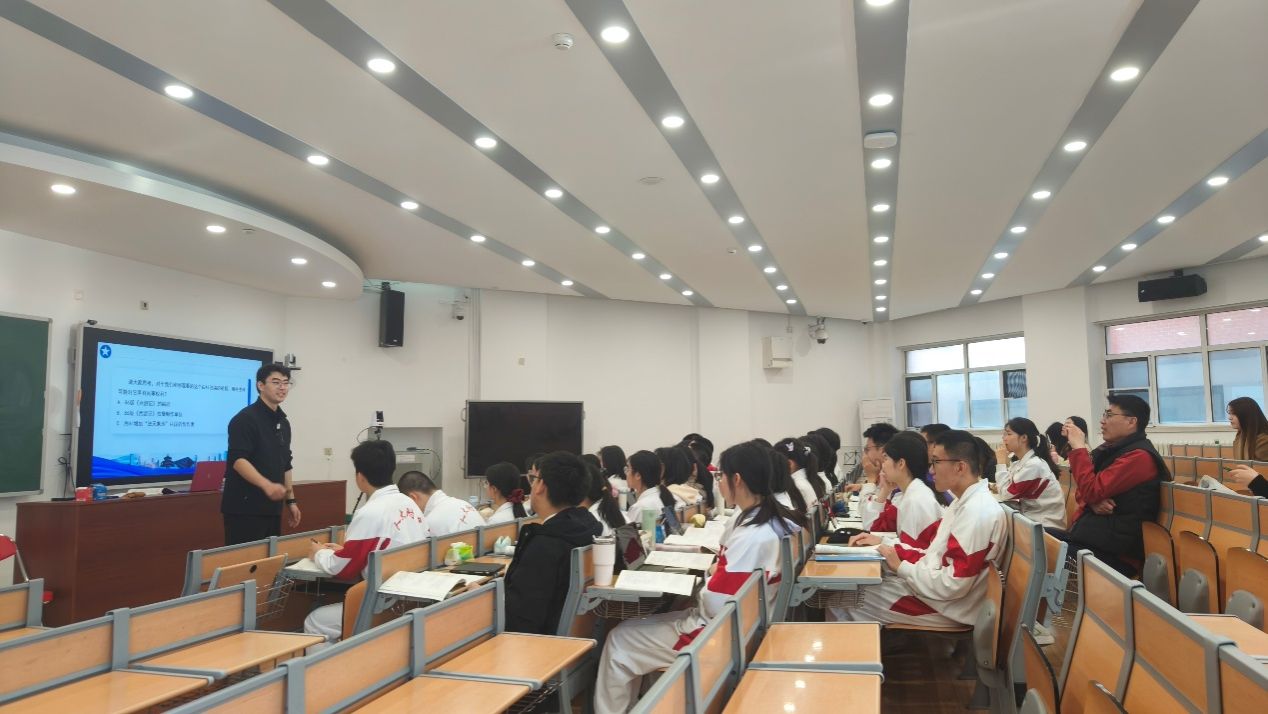

Liu Jianing, RDFZ: "Intelligent Creation Era: Law Protects Innovation — Exploring Copyright Protection from an AI Perspective"
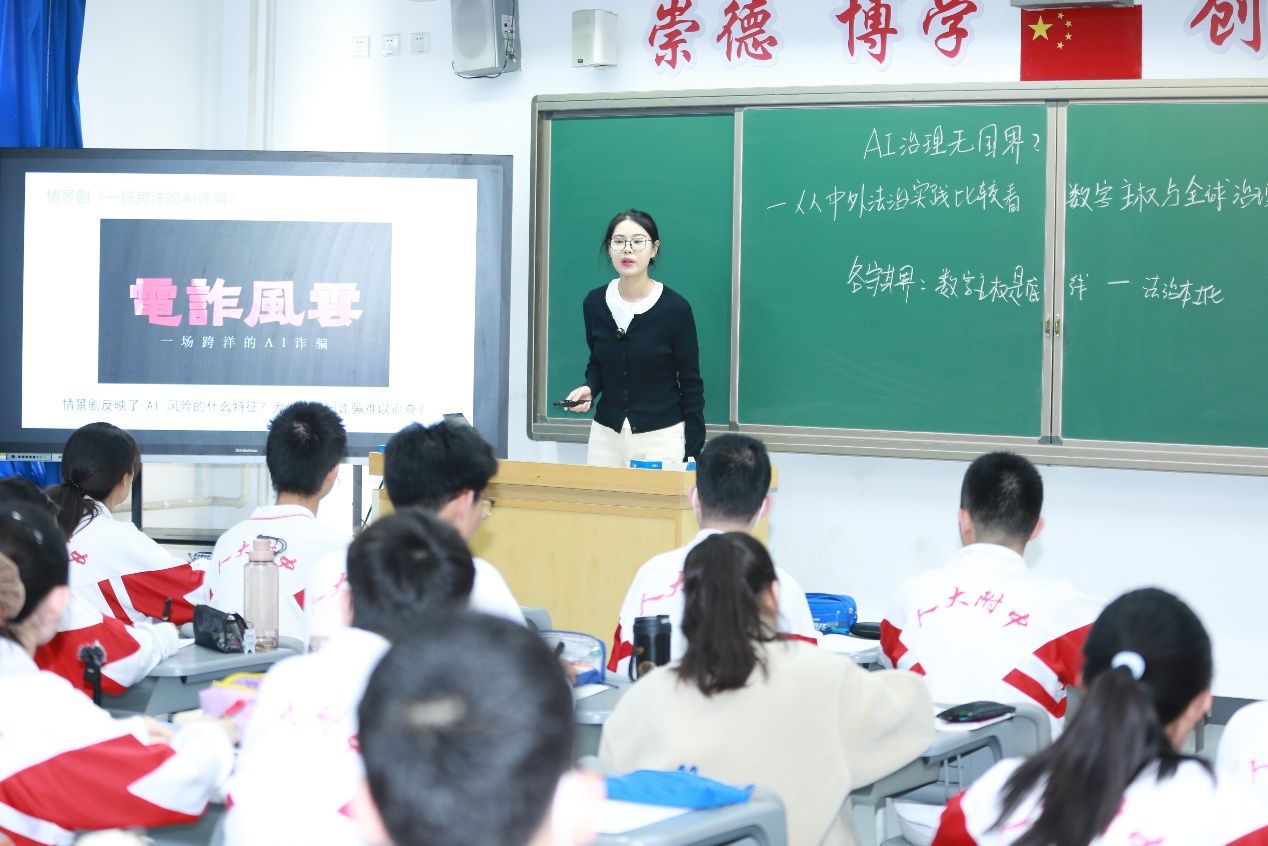
Yang Yadi, RDFZ Tongzhou Campus: "Viewing the Contest and Coexistence of Digital Sovereignty and Global Cooperation Through a Comparison of Chinese and Foreign Rule-of-Law Practices"
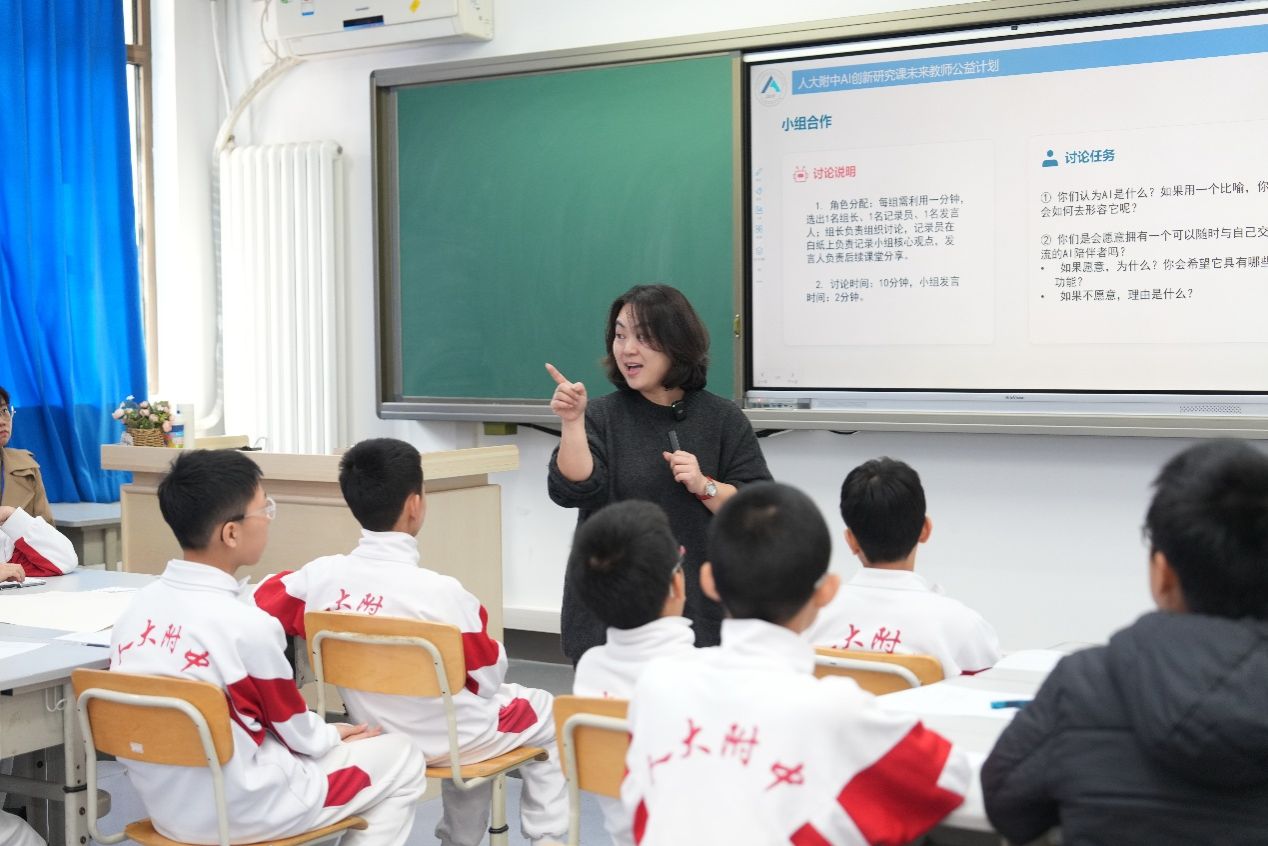
Zhou Ting, RDFZ Changping School: "When AI Learns to 'Understand Me': New Choices in Communication"
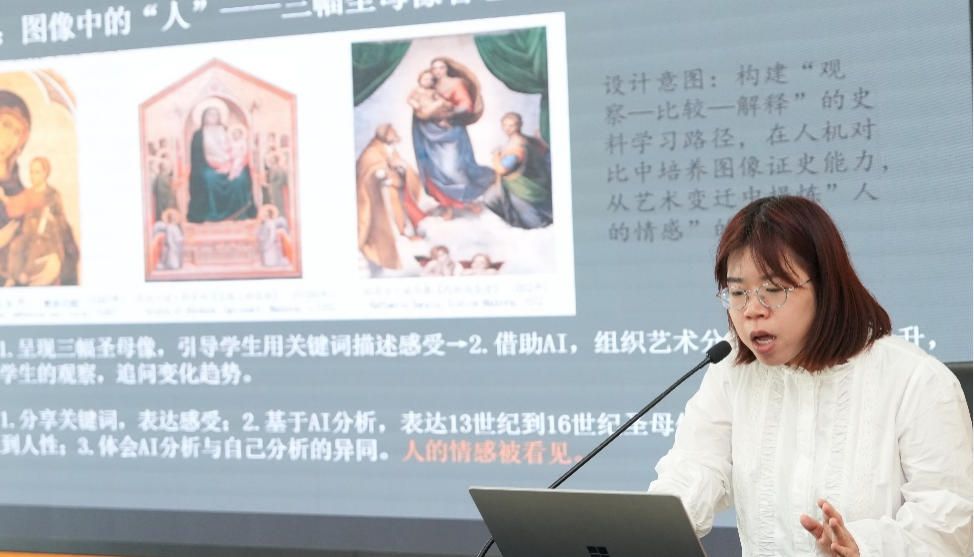
Ren Zhiyu, RDFZ Sanya School: "The Renaissance: The Discovery of Humanity and the Exploration of the World"
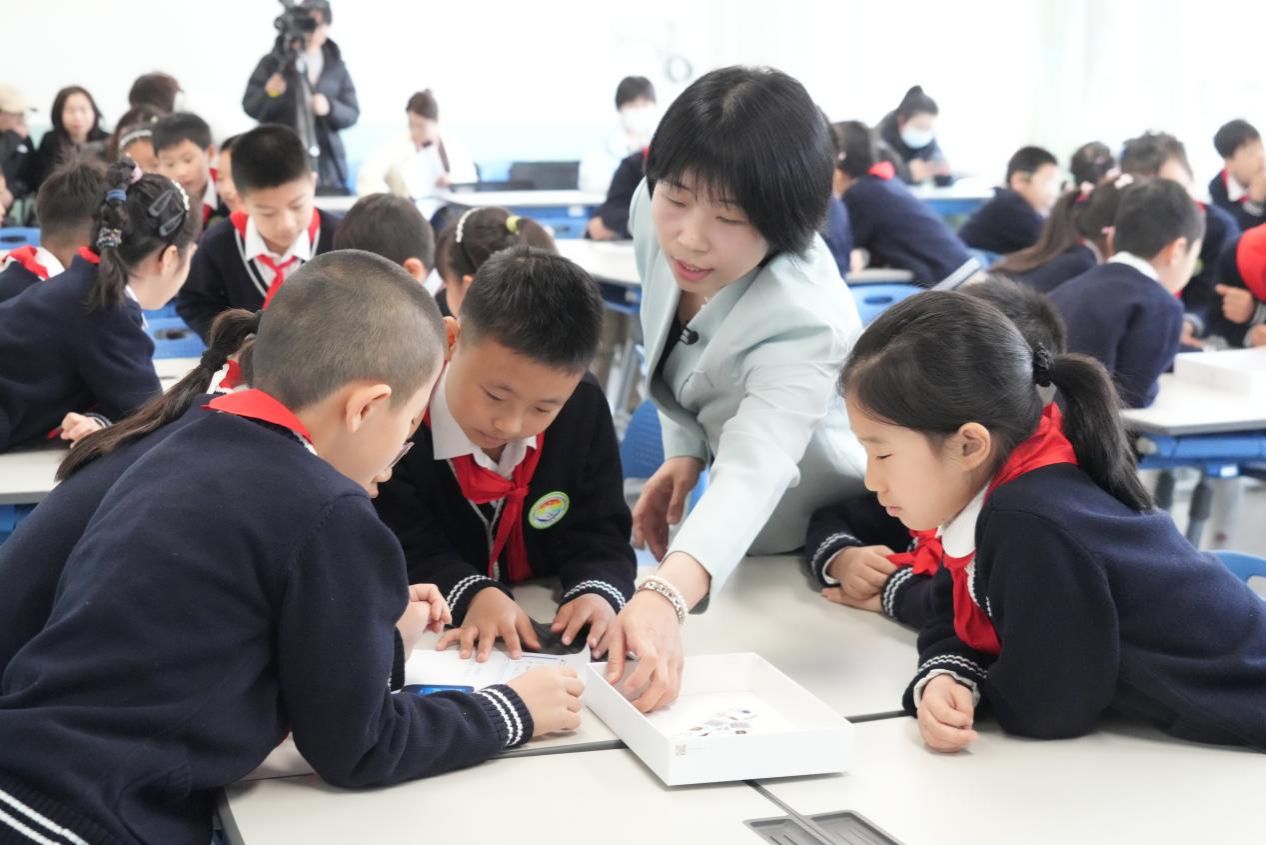
 Yan Jiabin, RDFZ Primary School: "Exploring AI on Campus"
2. Artificial Intelligence and Interdisciplinary Integration Curriculum Cluster
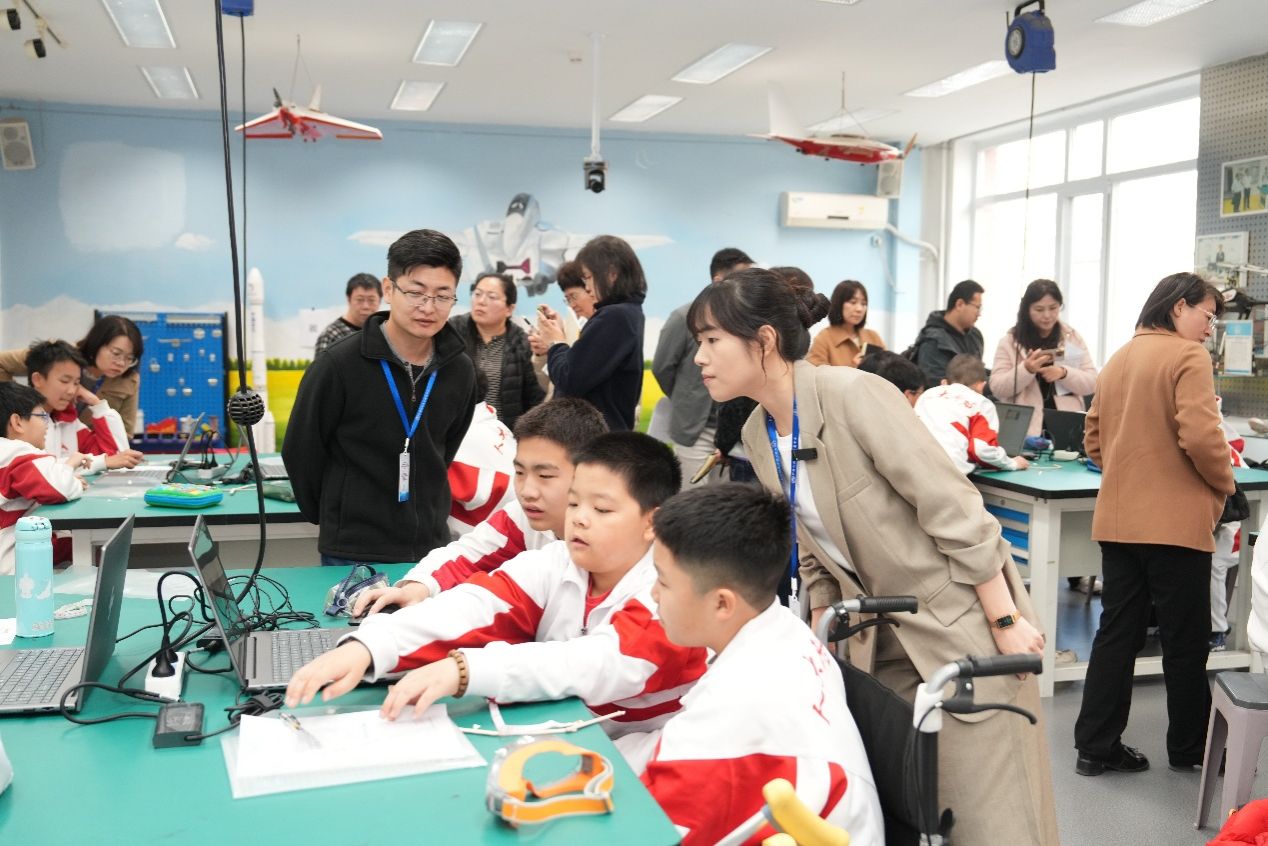
Zhang Fan & Huang Lingzi, Shenzhen Futian Shixia School: "Intelligent Bridge Construction — Interdisciplinary Practice of AI-Empowered Popsicle Stick Structure Optimization"
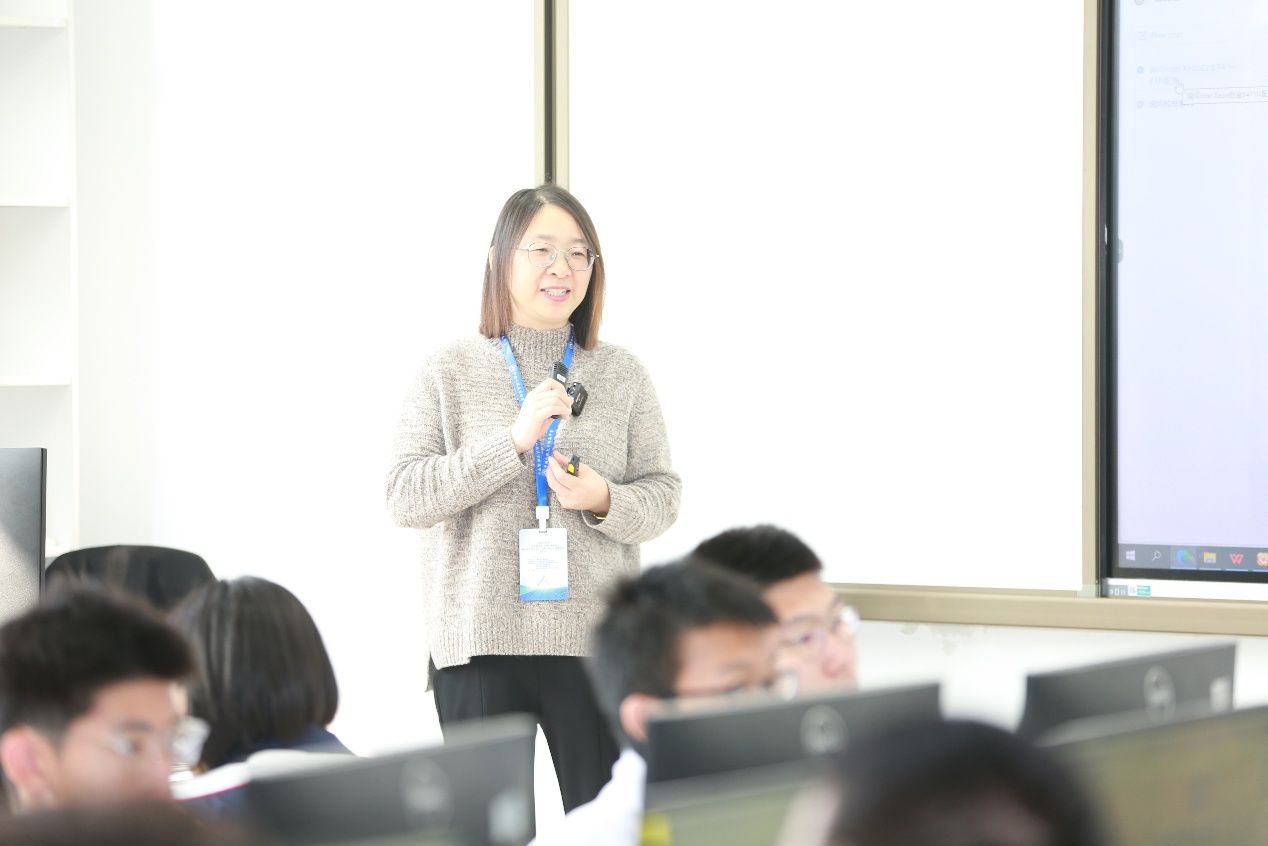

Wang Jing, High School Affiliated with Nanjing Normal University: "AI Explorer: From Black Box to Visualization"
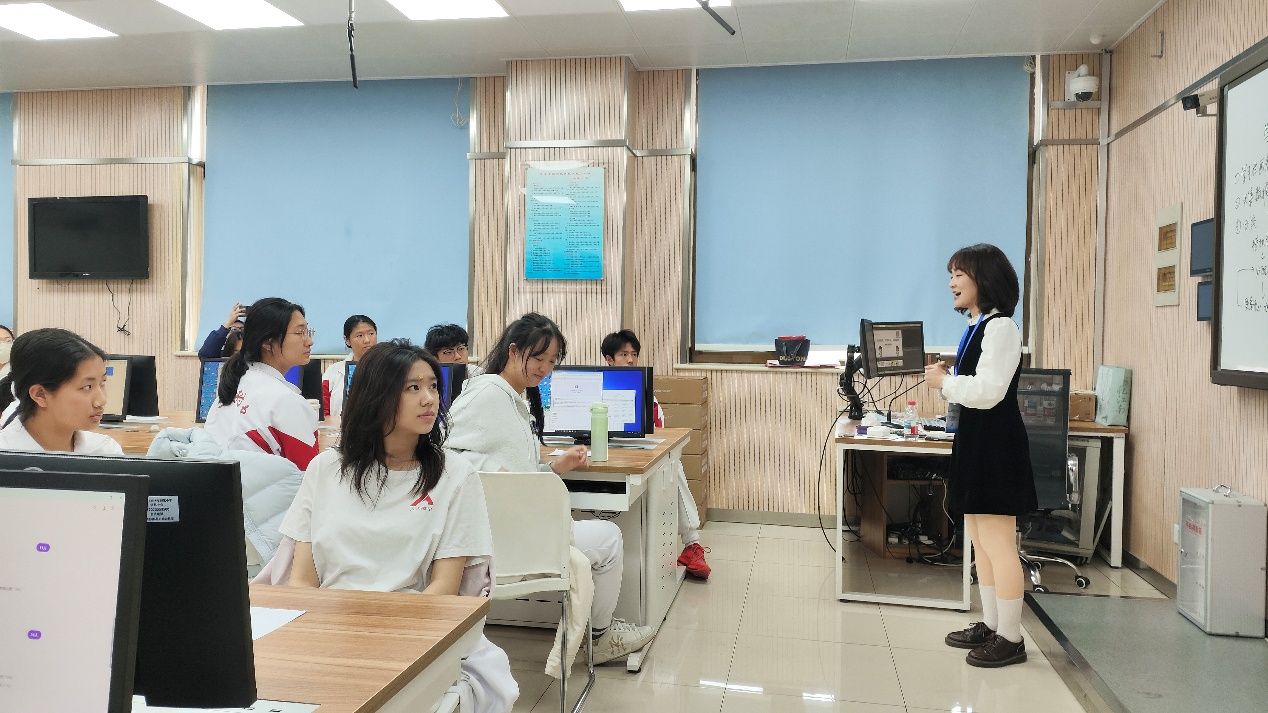

Wang Yuru, Chengdu No. 7 High School: "Discussion on Learning Methods: Clustering of Learner Profiles"
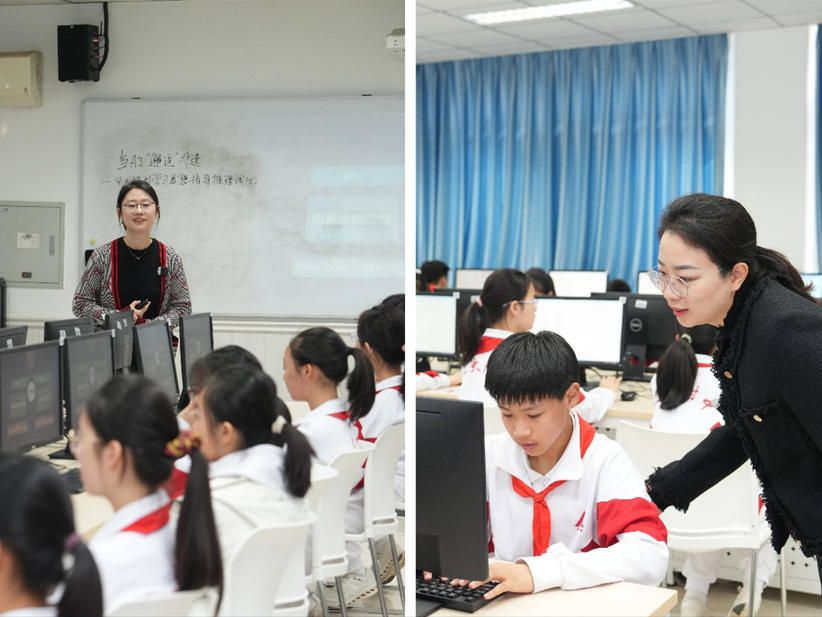
Chang Qing & Cui Ran, RDFZ: "When AI 'Meets' Intangible Cultural Heritage — Using Large Model Learning Thinking to Guide Reasoning and Fine-Tuning"
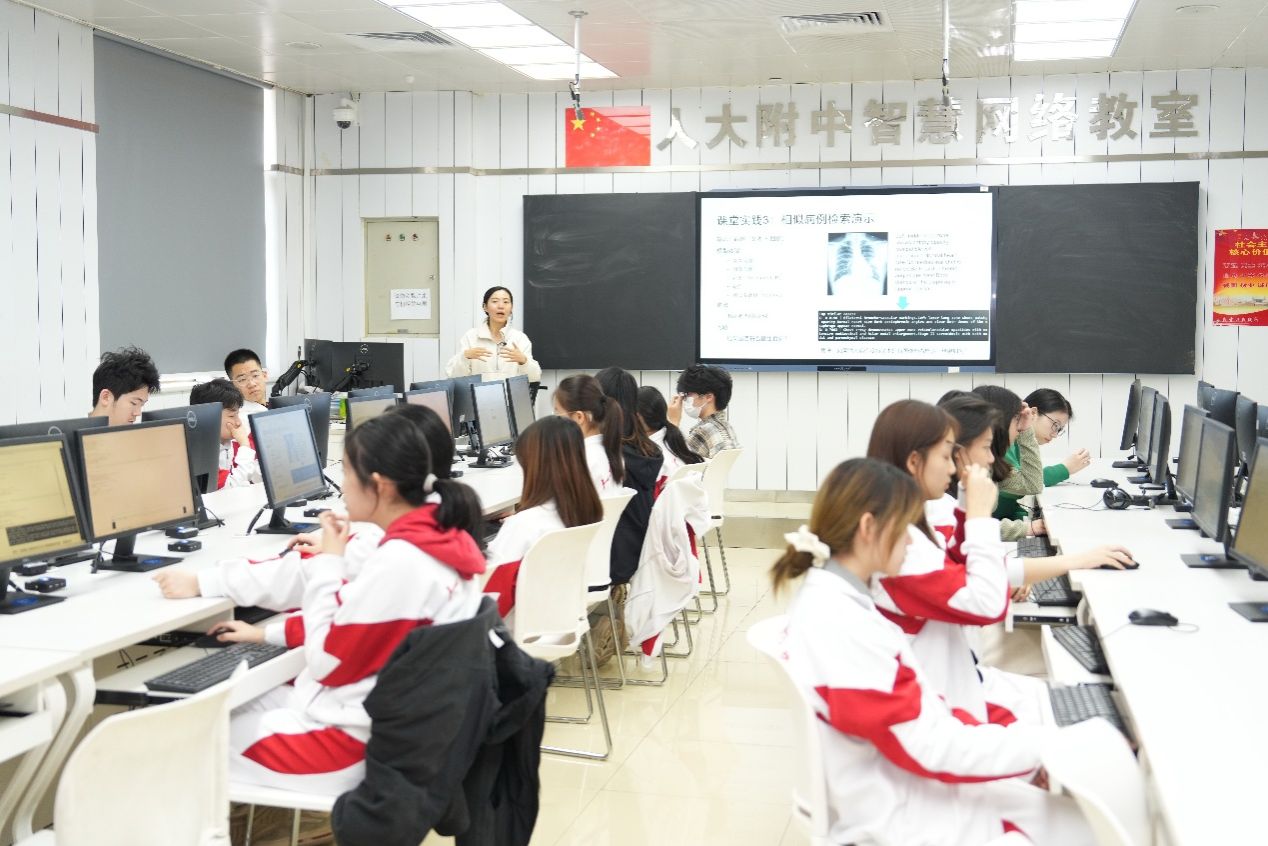
Zhang Si, RDFZ: "How to Find 'Truly Similar' Cases? — Multimodal Case Retrieval"
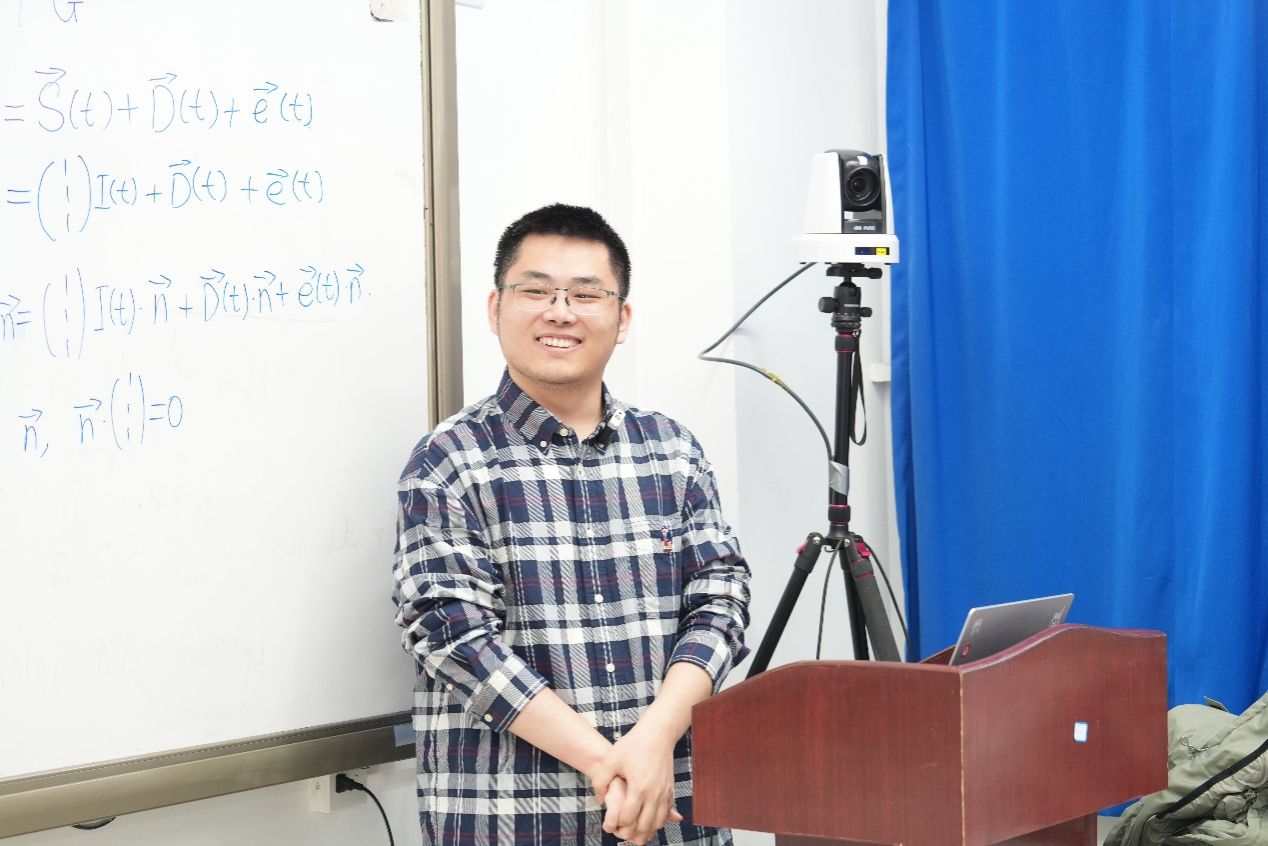

Xie Guangzeng, RDFZ: "Can a Camera See Your Heartbeat?"
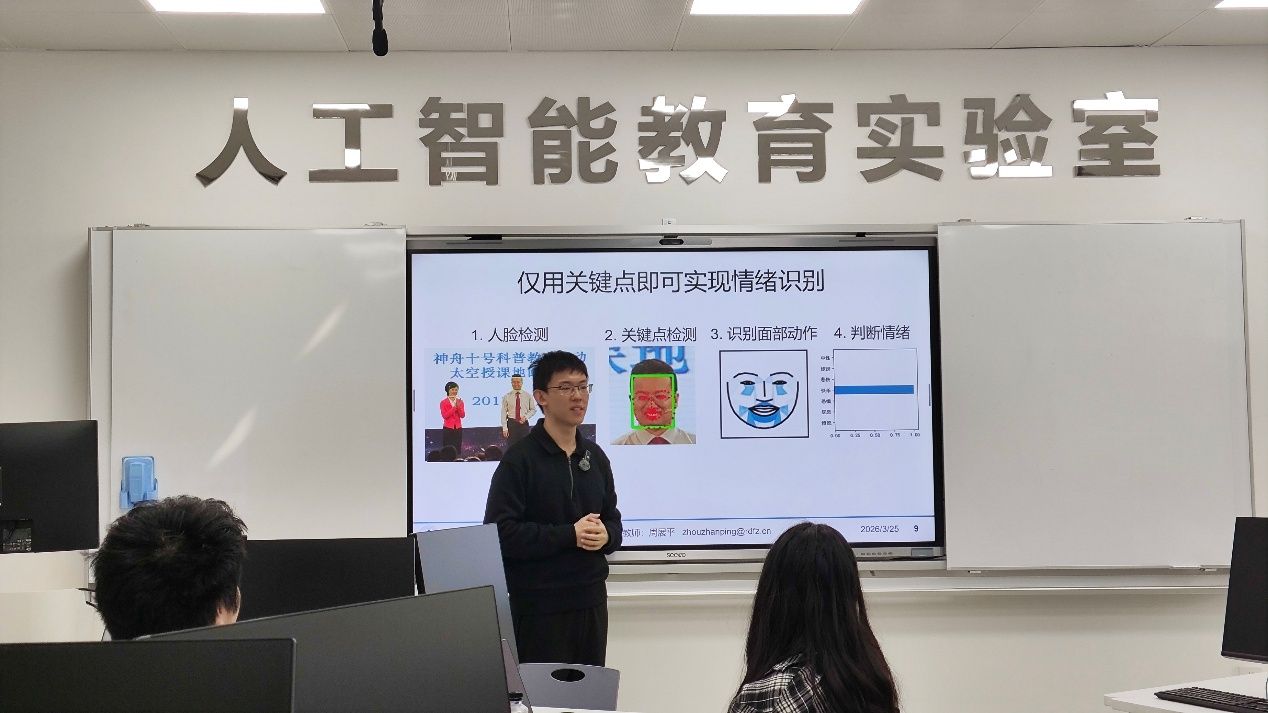
Zhou Zhanping, RDFZ: "Detach from Form to Capture Likeness: Digital Face Masks to Make Patients More at Ease"
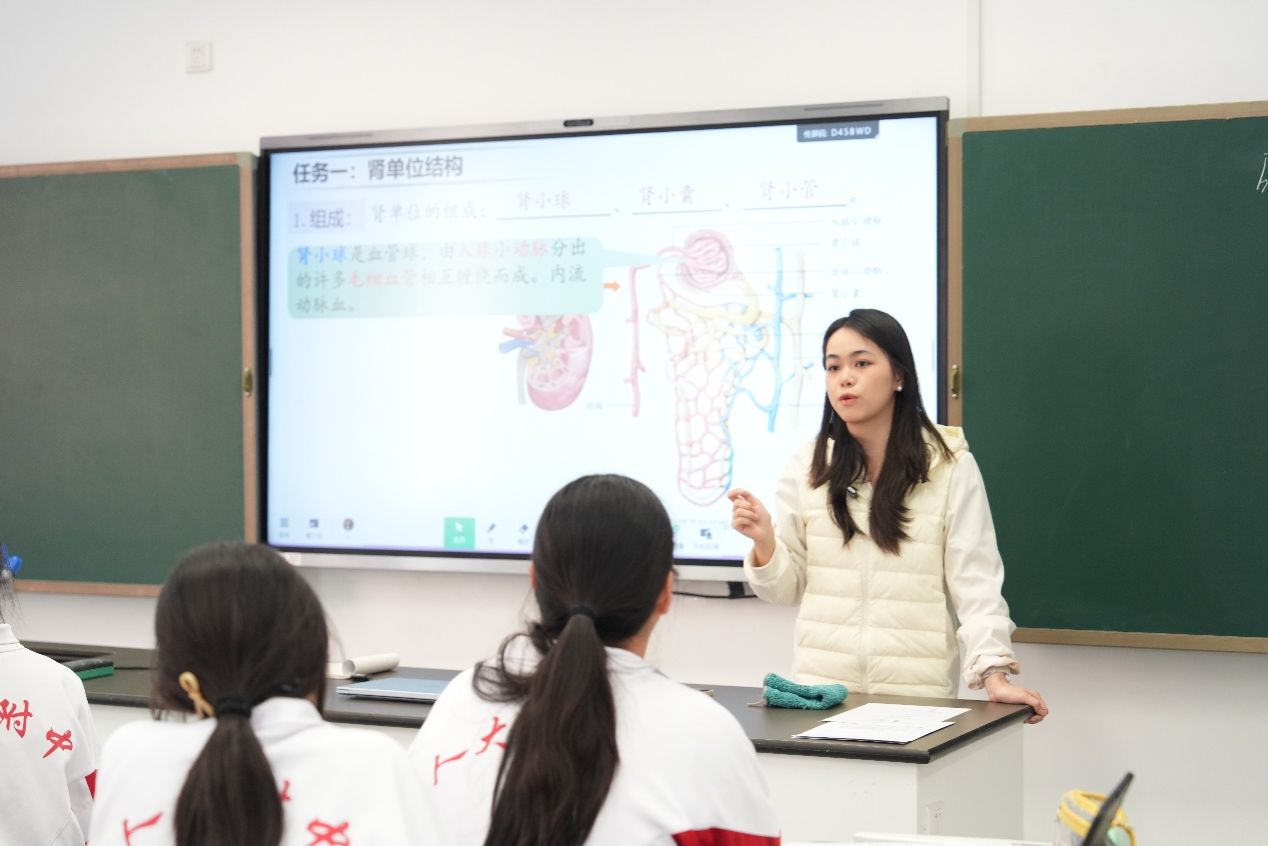
Li Leyun, RDFZ Sanya School: "AI-Assisted Experimental Design Combined with Model Construction — Formation and Excretion of Urine, Lesson 2"
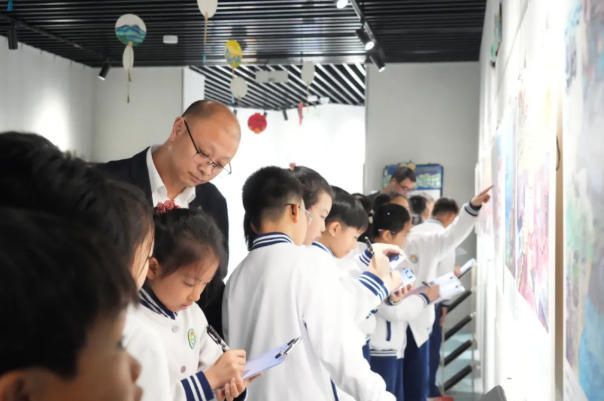
Liu Dawei, RDFZ Primary School: "AI-Empowered: My Sci-Fi Journey — My AI Adventure"
3. Embodied Intelligence and Intelligent Manufacturing Curriculum Cluster
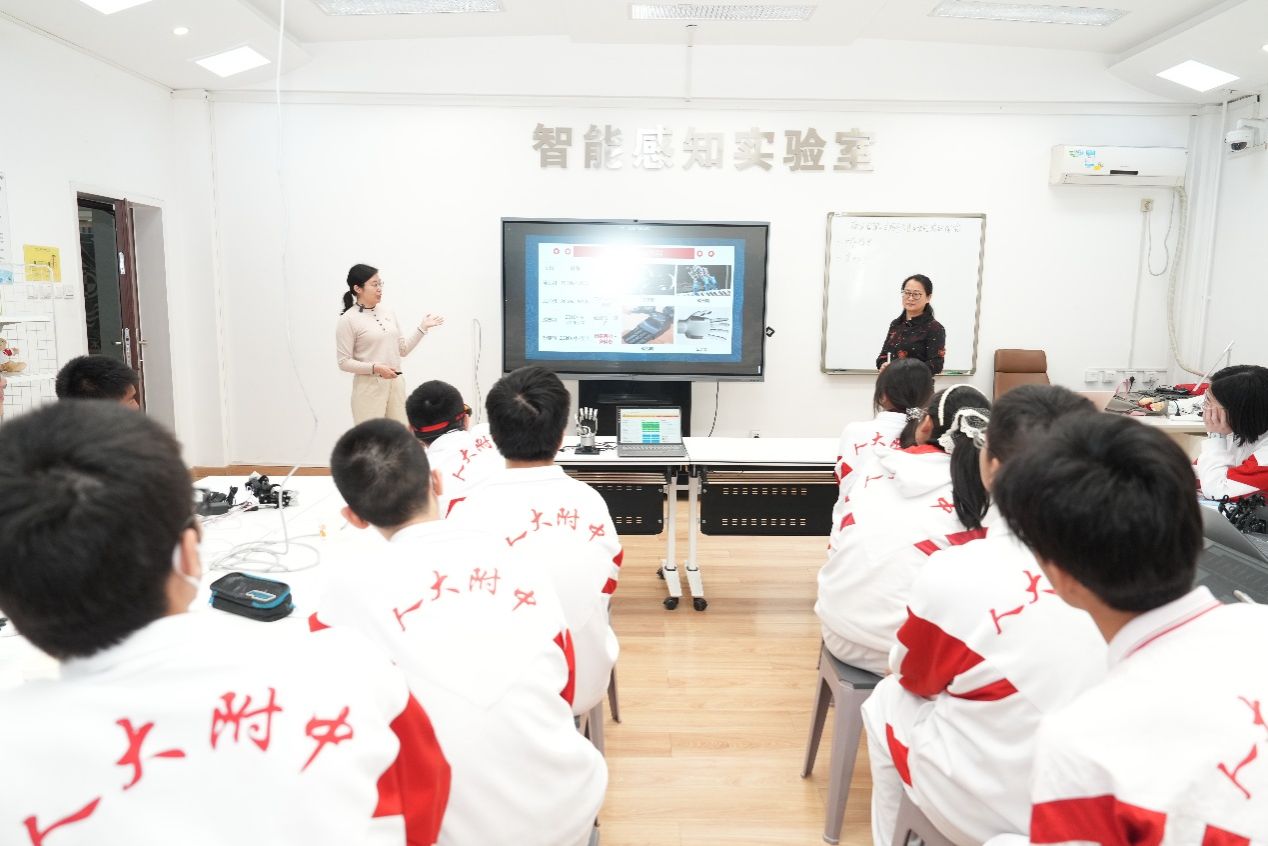
Jiang Fengmin & Wen Tianxiao, RDFZ: "Fingertip Intelligence: Practical Exploration of Dexterous Hands and Embodied Intelligence"
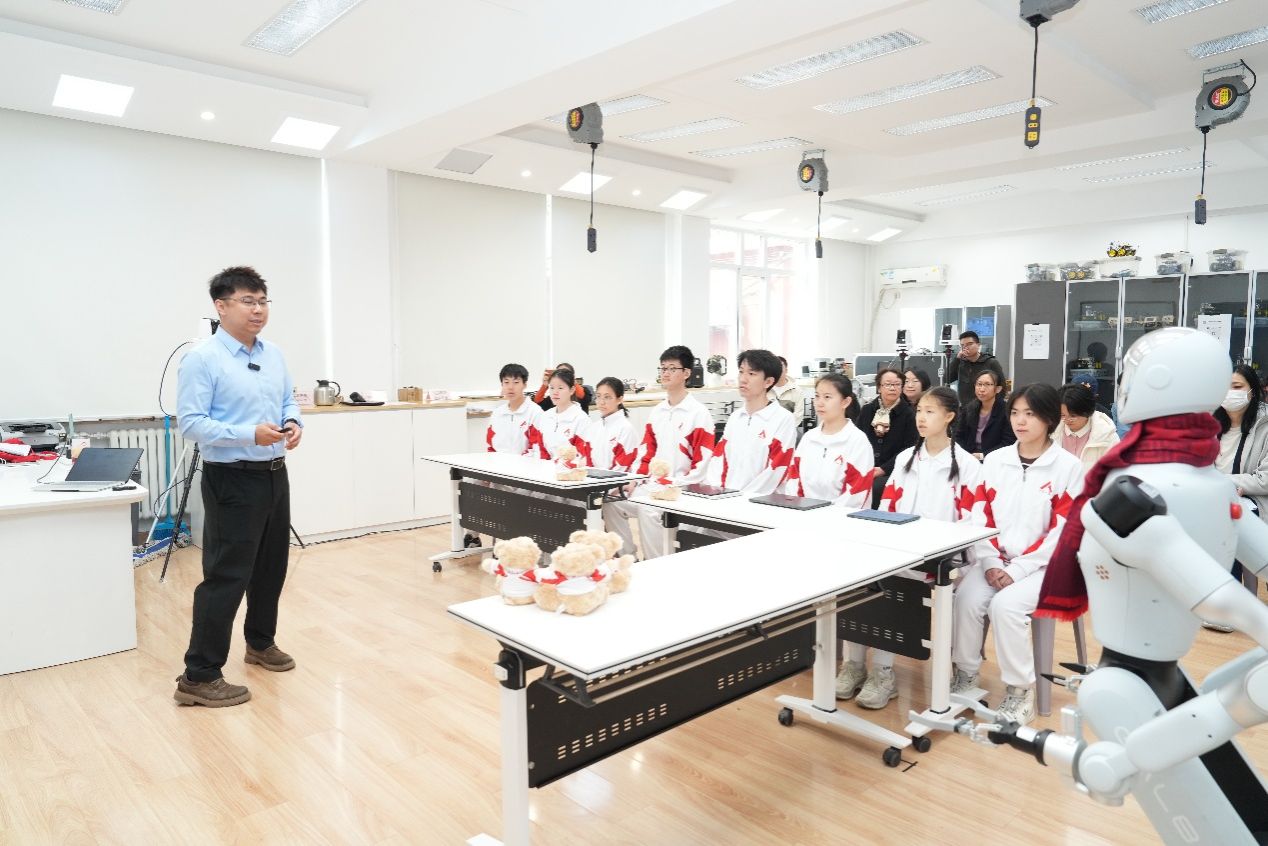
Shi Yining, RDFZ: "From 'Seeing' to 'Grasping' — The Mystery of Object Grasping in Embodied Intelligence"
4. Aerospace Technology and Space-Air Intelligence Curriculum Cluster
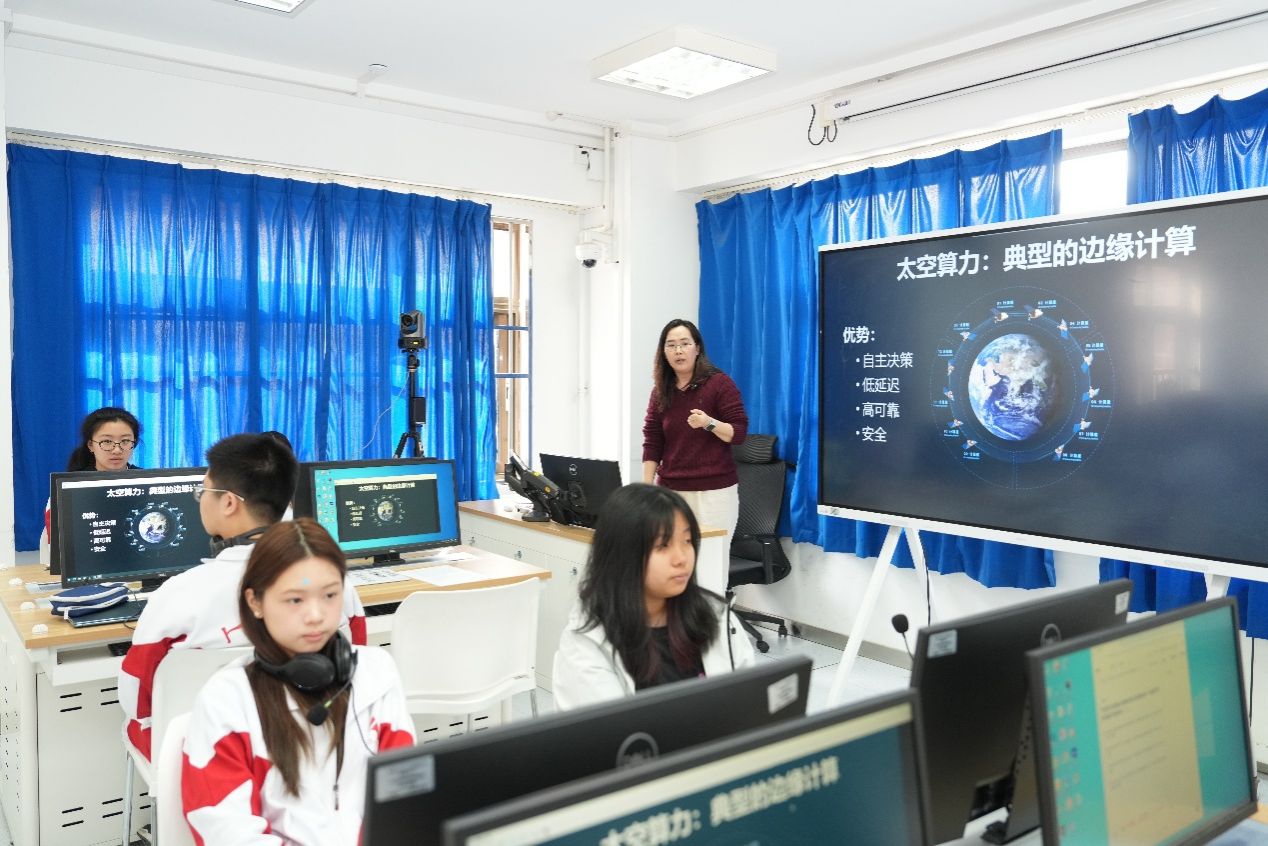
Wen Tingting, RDFZ: "How Does Space Computing Power Make Spacecraft Smarter?"
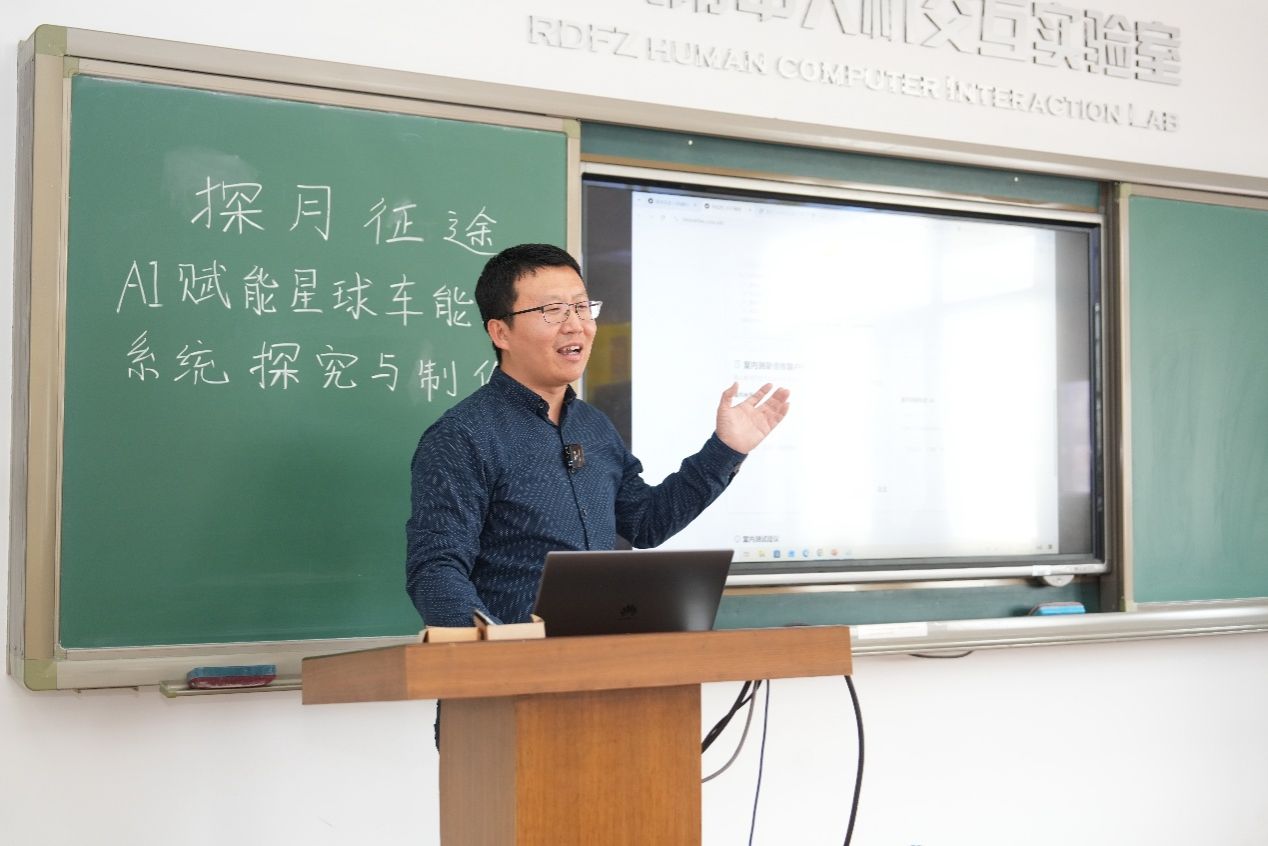
Tong Songling, RDFZ: "Journey to the Moon — AI-Empowered Lunar Rover Energy System Exploration and Production"
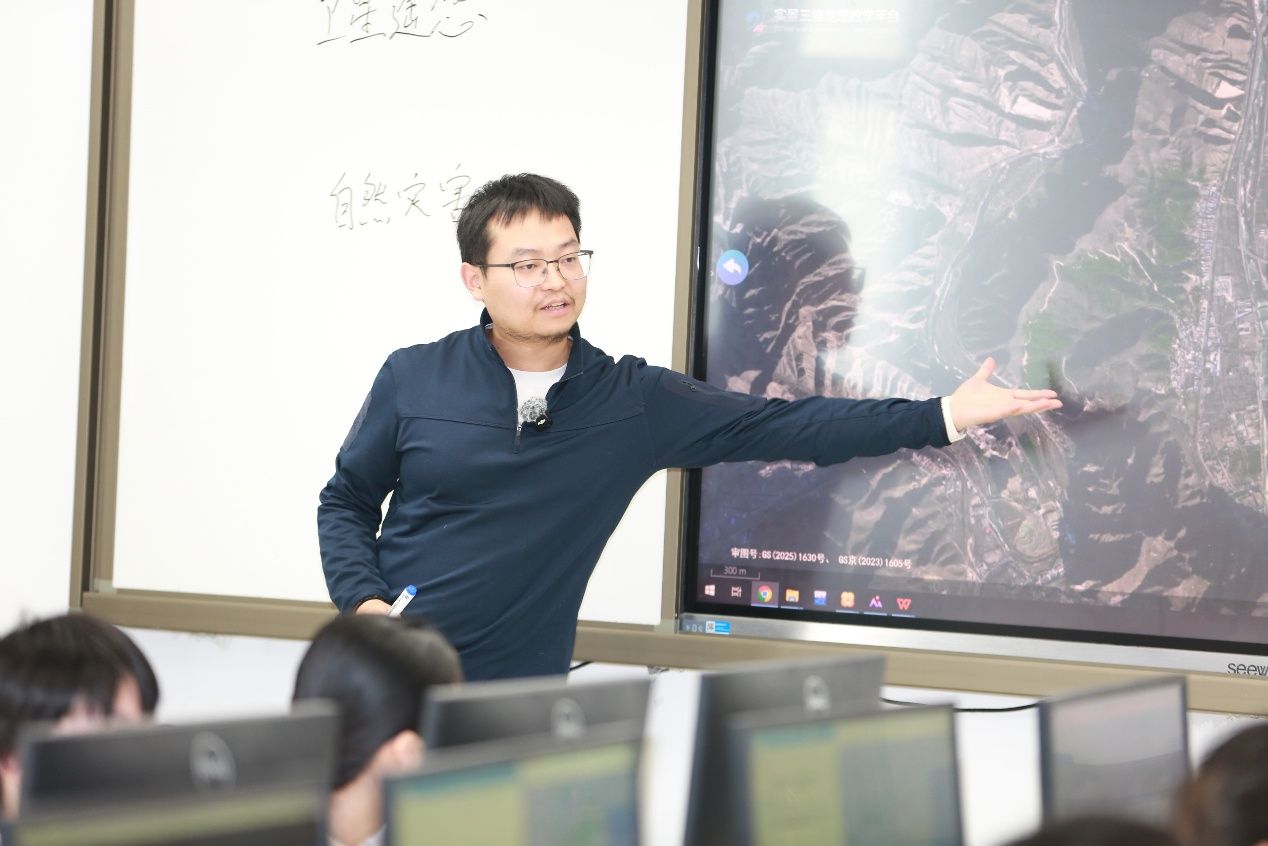
Zhou Yingji, RDFZ: "Satellite Remote Sensing to Assist in Natural Disaster Identification and Defense"
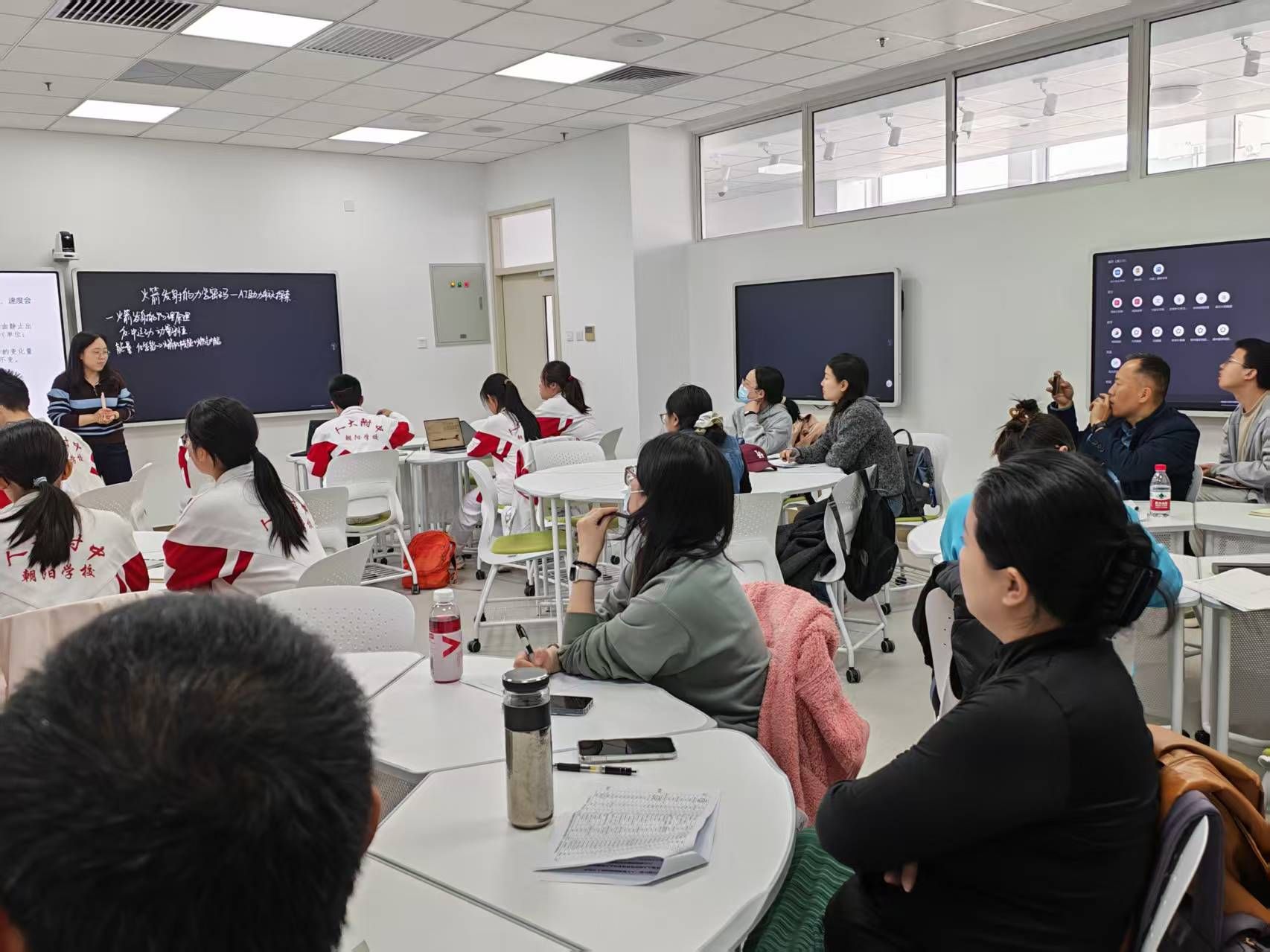
Song Yuanpu, RDFZ Chaoyang School: "The Mechanics Code of Rocket Launch — AI Assists Aerospace Exploration"
5. Core Chips and Micro-Nano Electronics Curriculum Cluster


Liu Changhuan, RDFZ: "Principles and Simulation of Addition Circuits in Computing Chips"
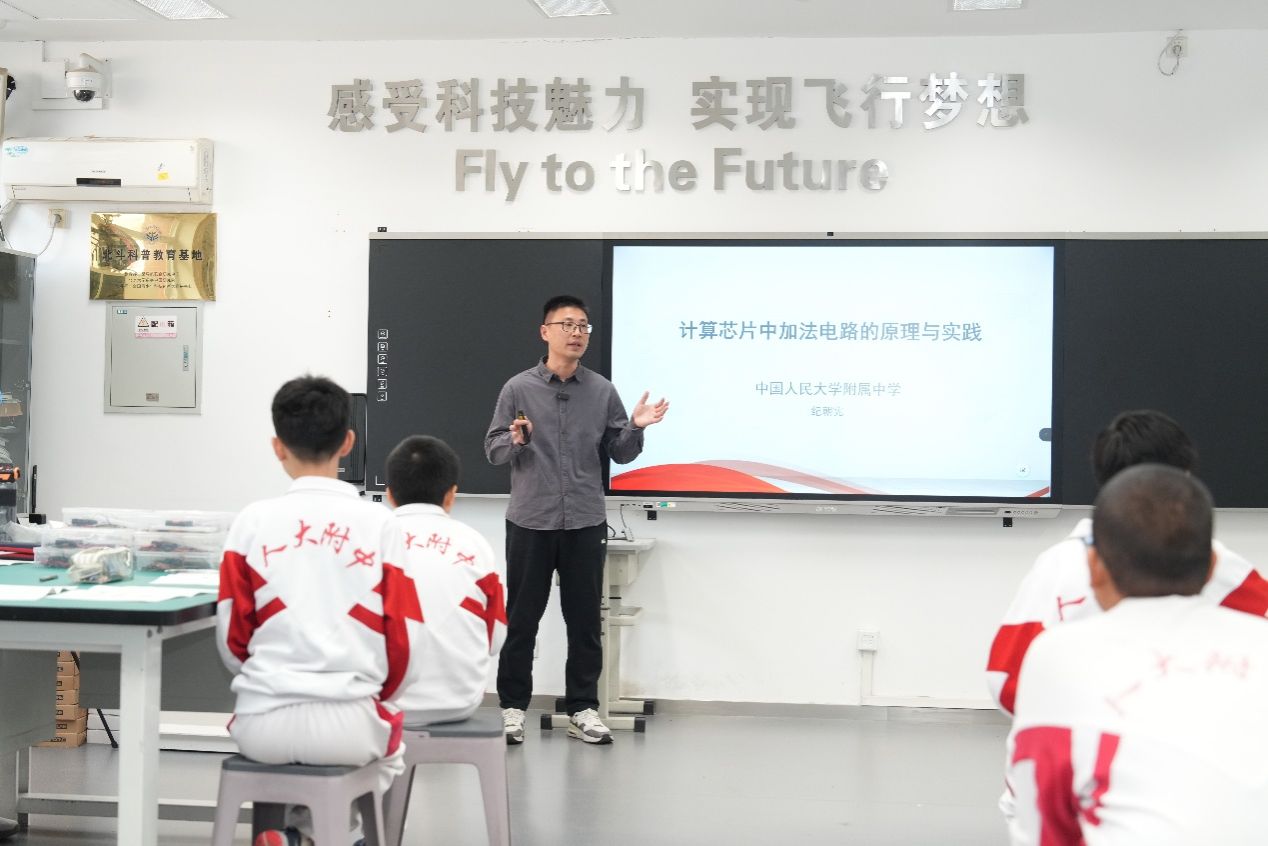
Ji Chaoxian, RDFZ: "Principles and Practice of Addition Circuits in Computing Chips"
6. Quantum Technology and Future Computing Curriculum Cluster
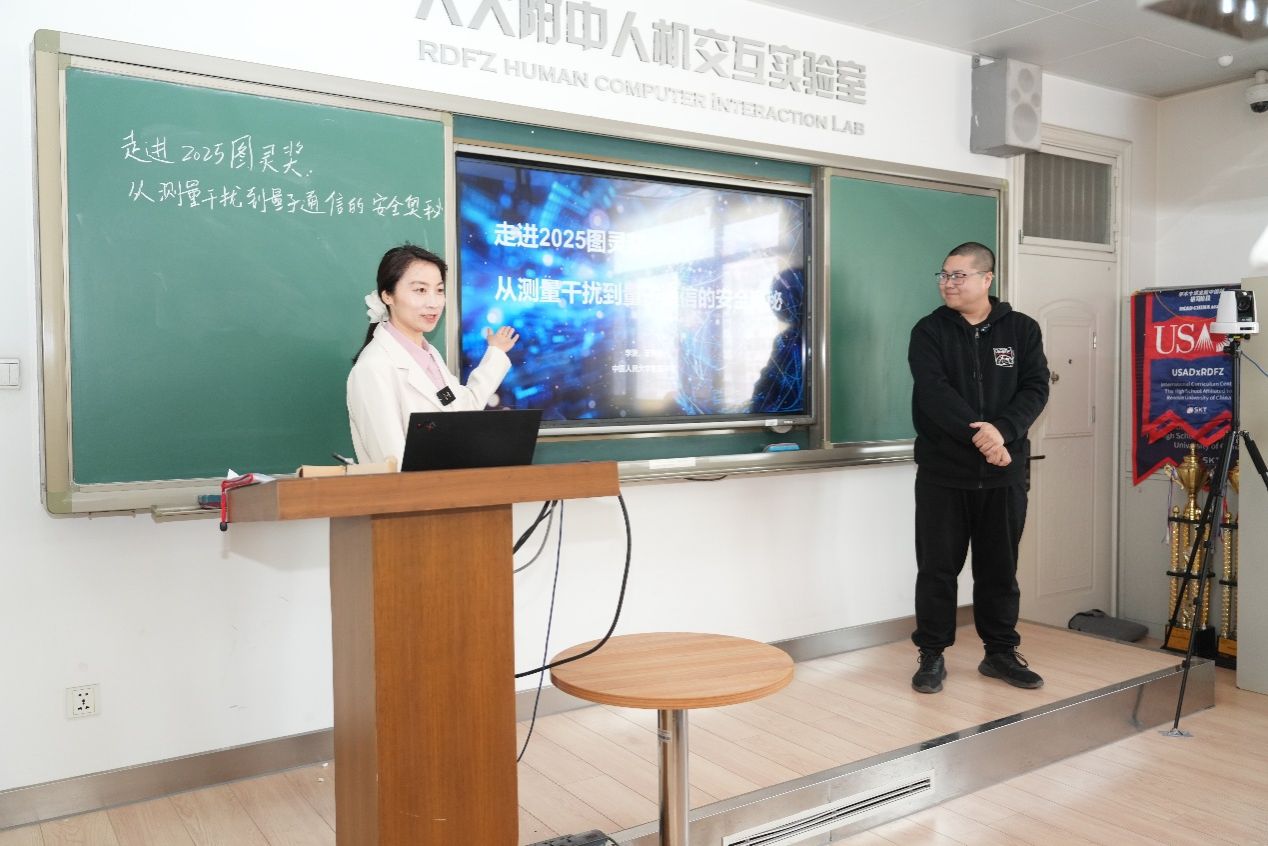
 Li Yi & Wang Zhenduo, RDFZ: "Entering the 2025 Turing Award: The Security Mystery from Measurement Interference to Quantum Communication"
7. Emerging Energy and Advanced Materials Curriculum Cluster
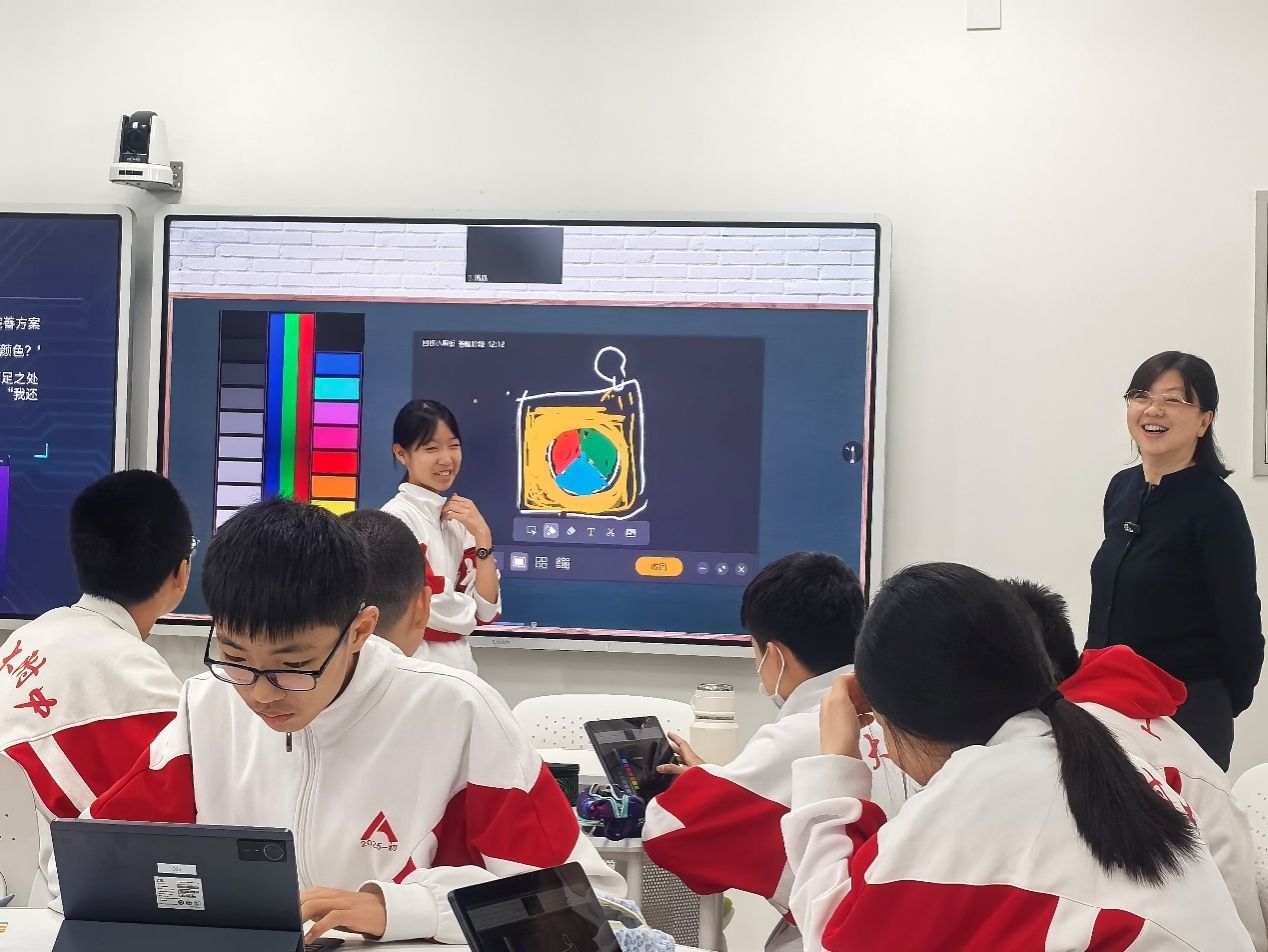

Zhou Jing, RDFZ: "Restoring True Colors — I Will Design the Next Color Screen"
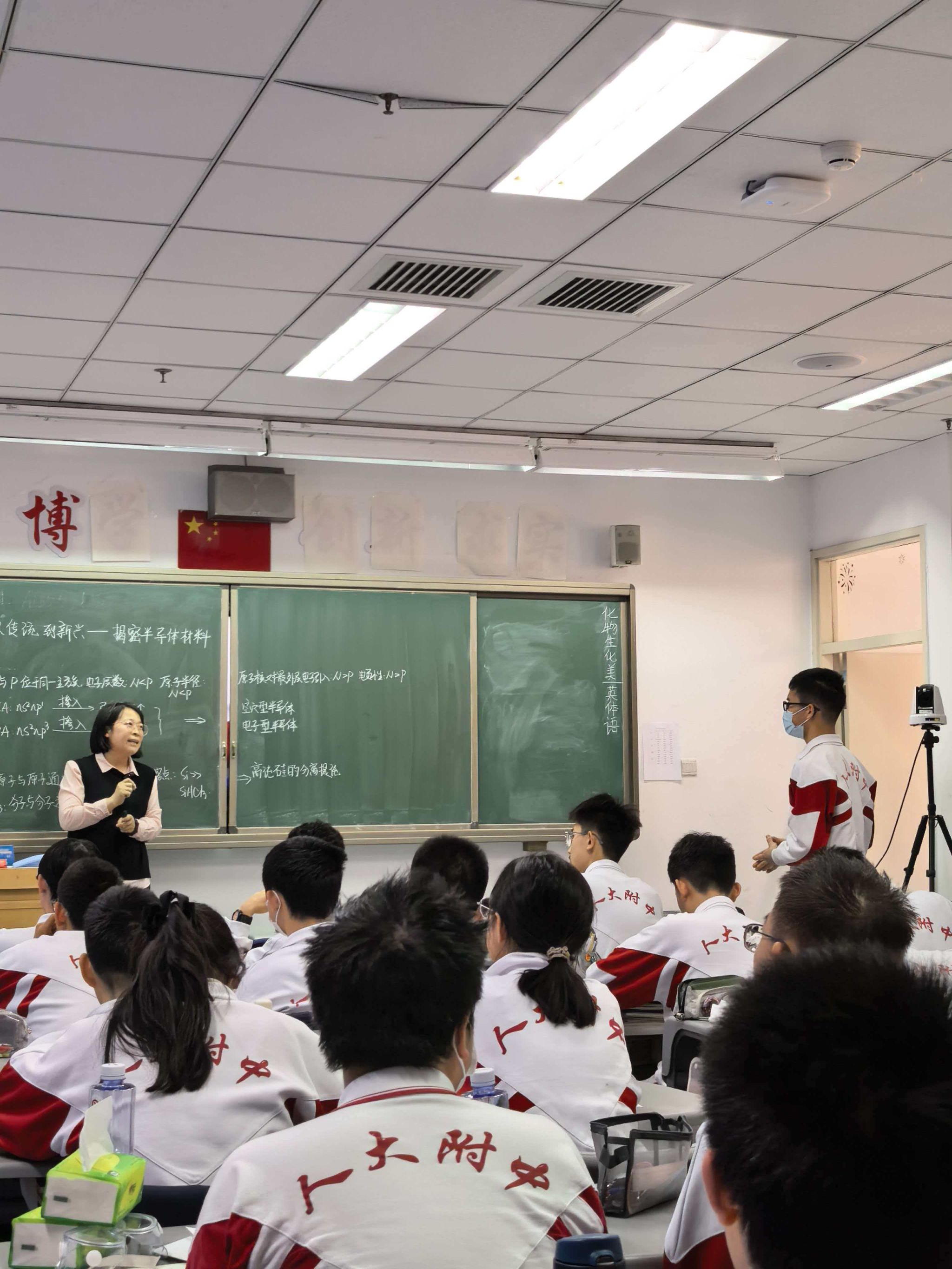
Wei Ruirui, RDFZ Chaoyang School: "From Traditional to Emerging — Unveiling Semiconductor Materials"
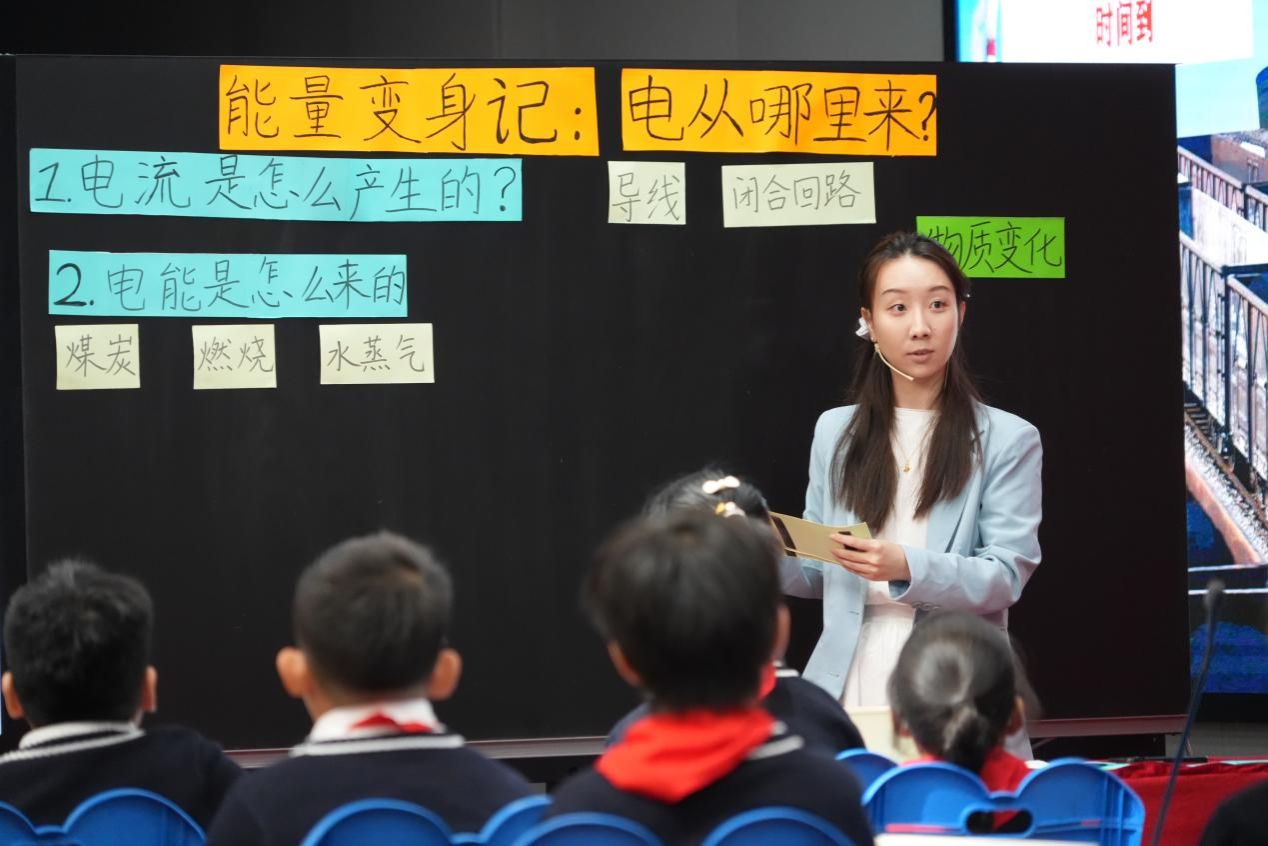
Wang Ciyu, RDFZ Shenzhen School: "Lighting a Simple Circuit with New Energy"
8. Life Sciences and Smart Agriculture Curriculum Cluster
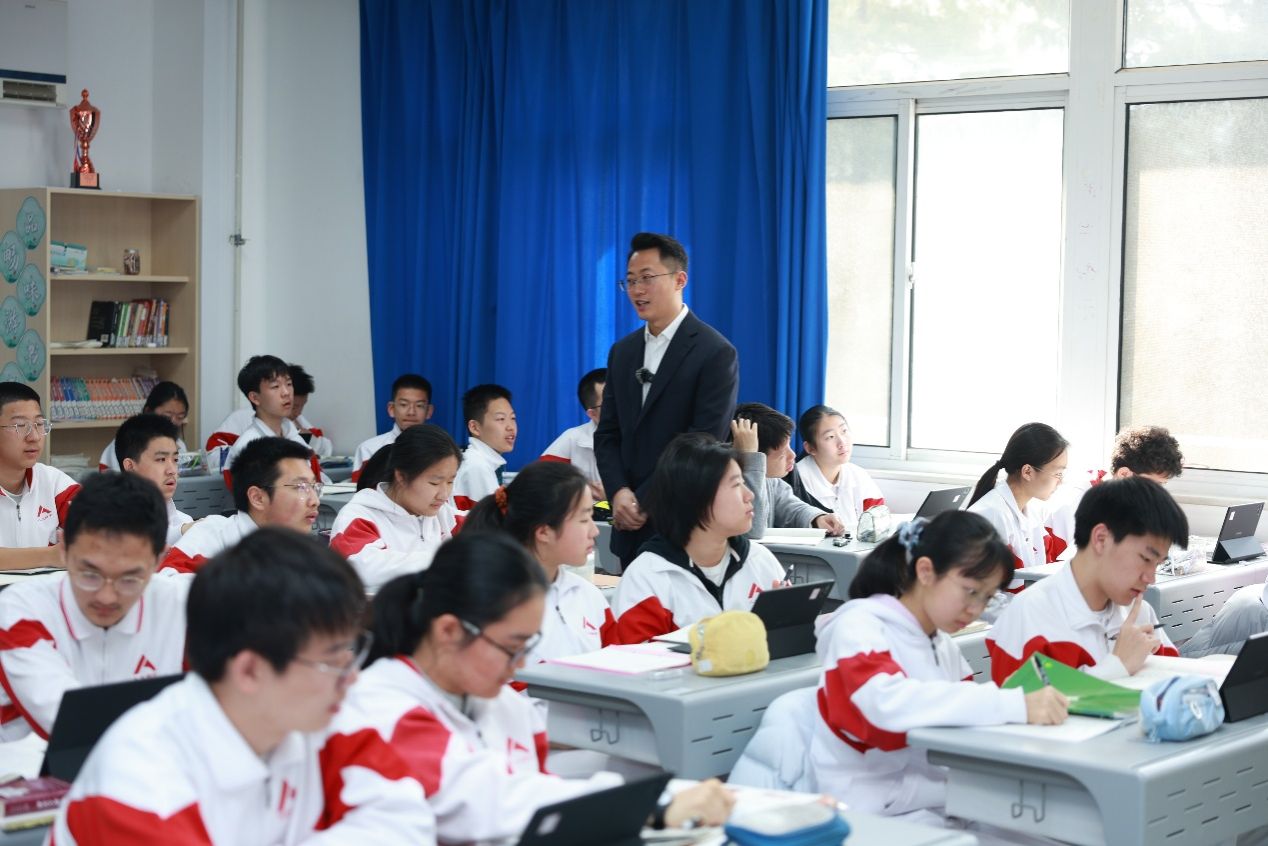
Zheng Jun, Chengdu No. 7 High School: "The Mystery of Cell Aging"
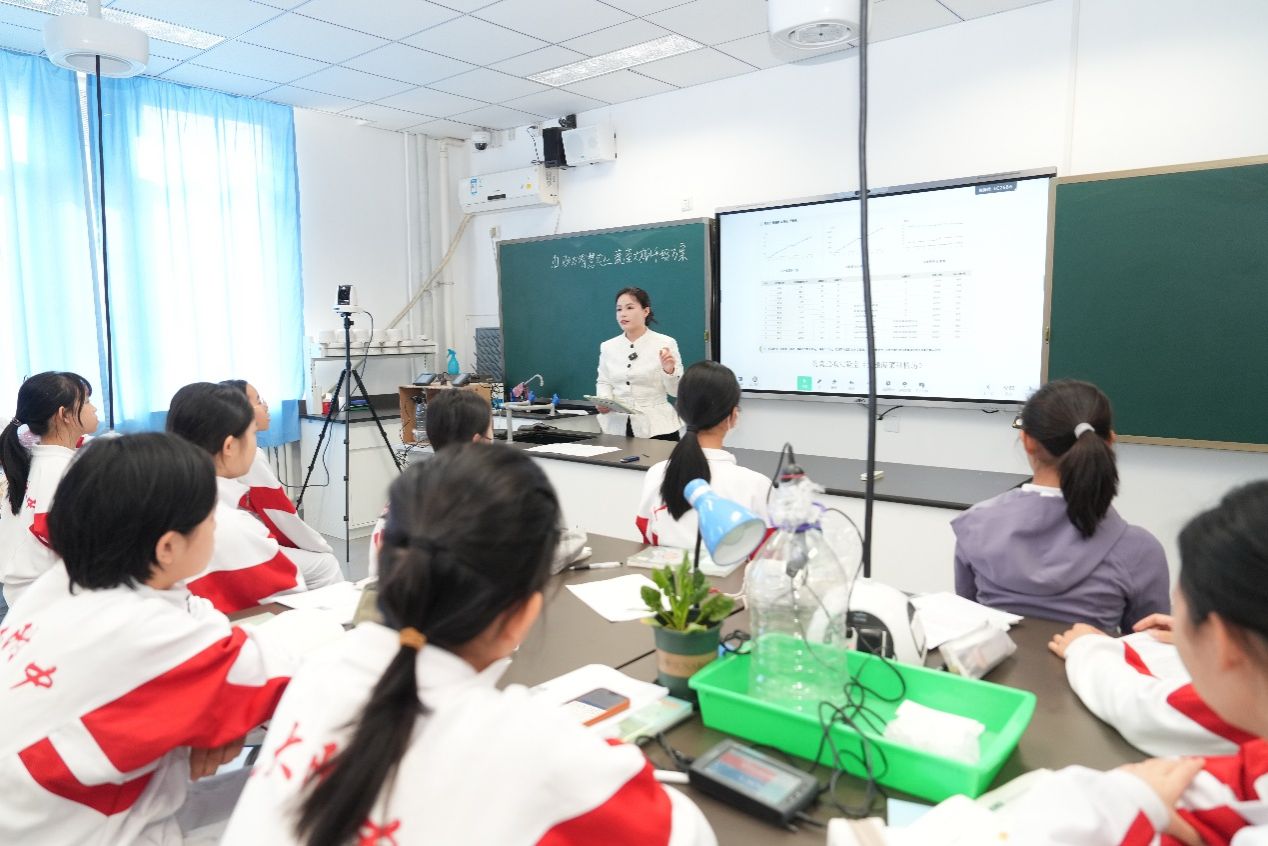
Li Yuqiu & Guo Binbin, RDFZ Fengtai School: "AI-Assisted Smart Agriculture Greenhouse Upgrade Plan"
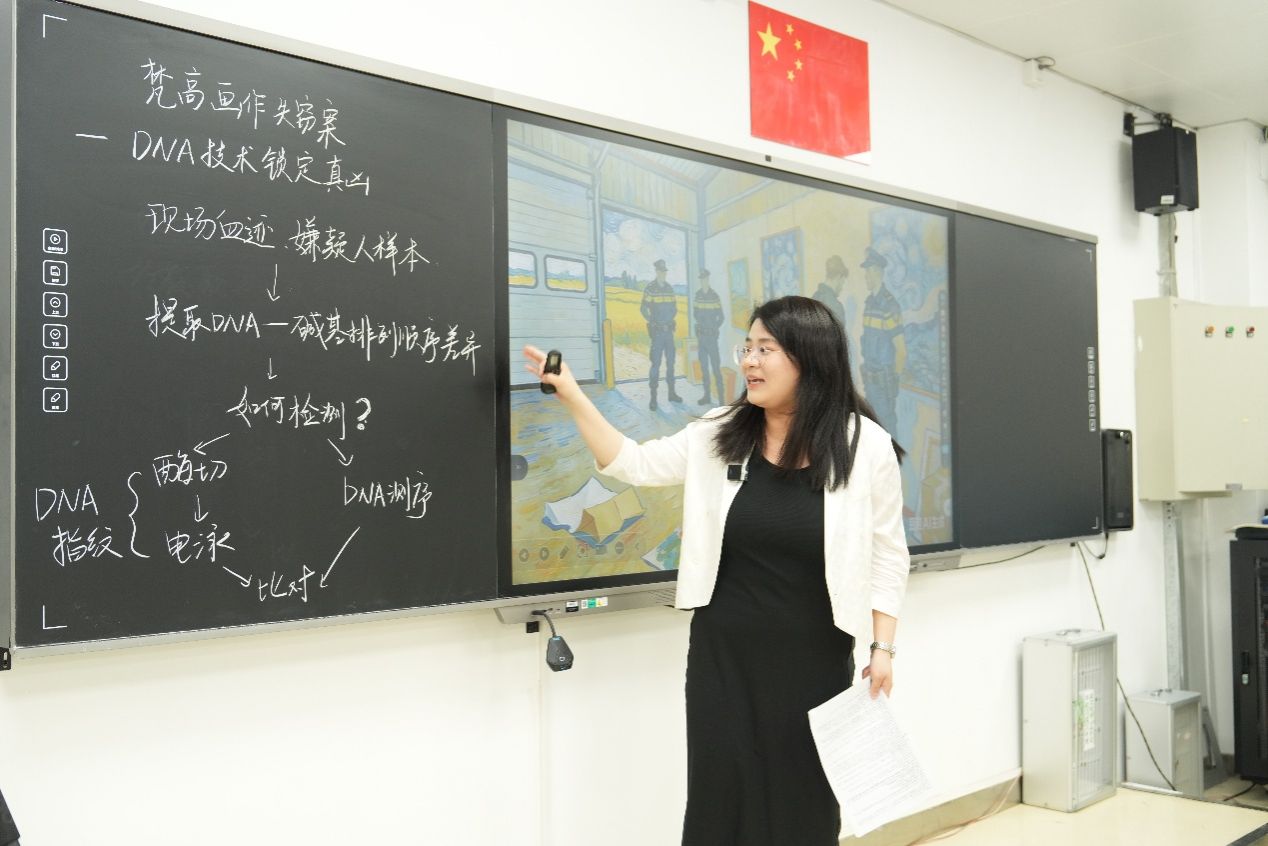
Xu Xinxin, RDFZ Suzhou School: "The Theft of Van Gogh's Paintings — DNA Technology Locks in the Culprit"
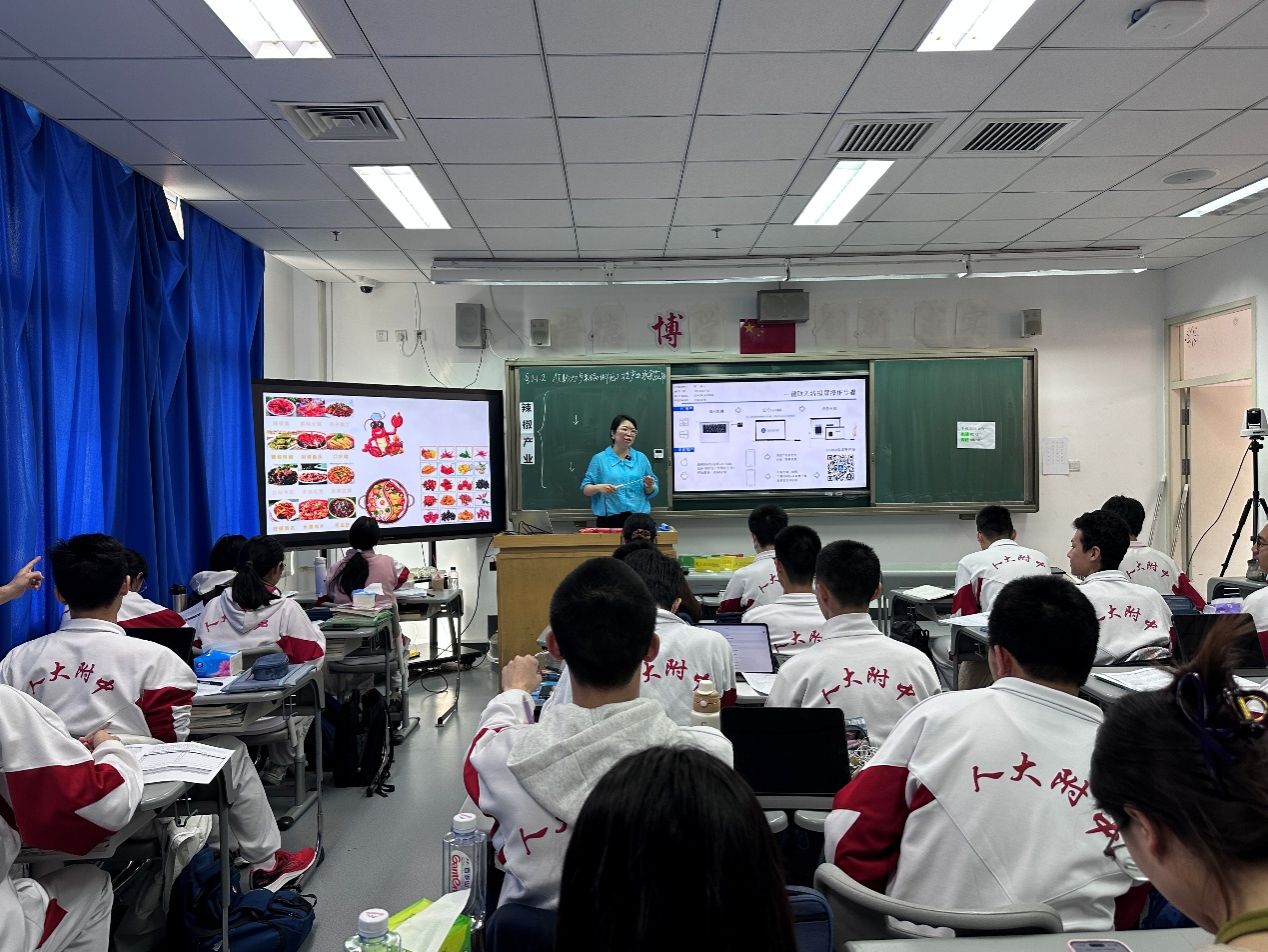
Song Jiayi, RDFZ Beijing Economic and Technological Development Zone School: "Hot and Spicy, Beyond the Fields — AI-Assisted Exploration and Application of Pepper Plant Cell Engineering Industry"
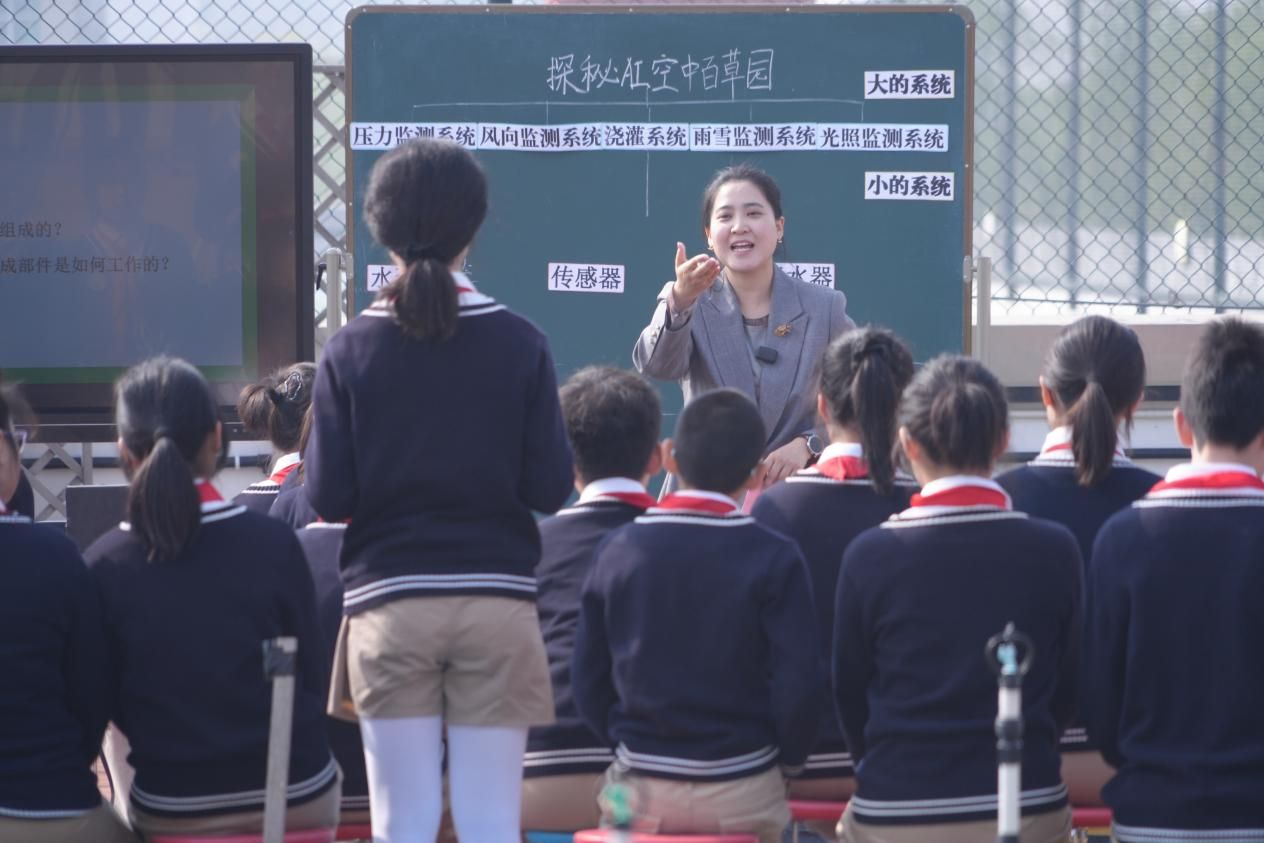
Tang Miao, RDFZ Primary School: "Exploring the AI Aerial Herb Garden — An Introduction to Control Systems"
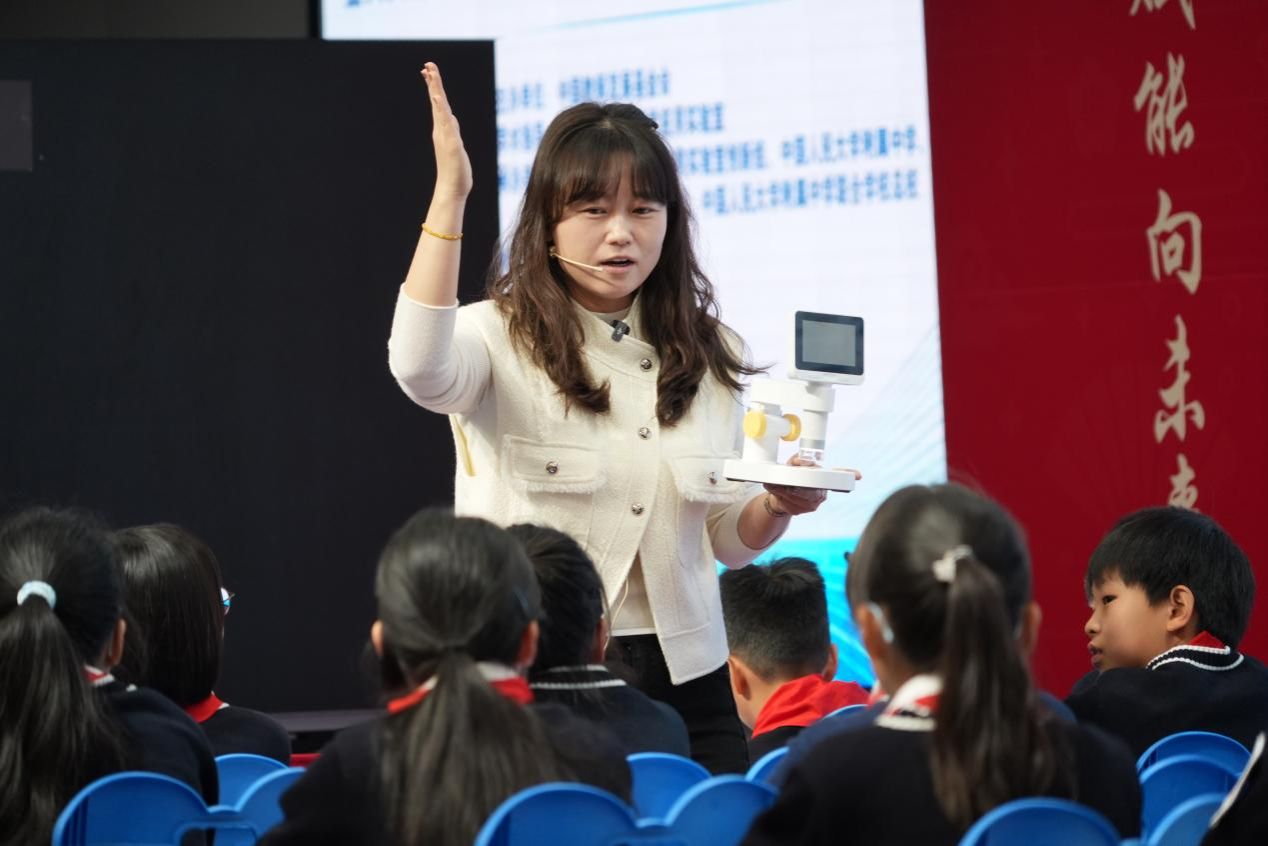
Wang Shu, RDFZ Affiliated Experimental Primary School: "Insect Feet Under the Microscope"
Exchange and Discussion Explores New Pathways for AI-Empowered Basic Education
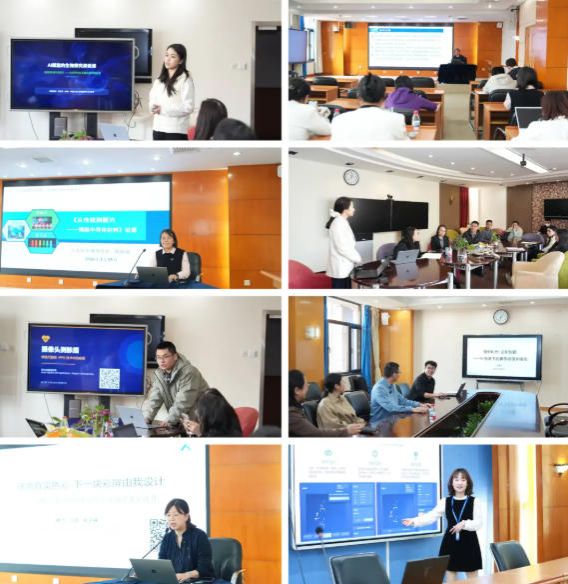
In the afternoon, at the curriculum seminar, participating experts, instructors, and observers engaged in comprehensive and in-depth lesson-study presentations, commentary, and discussions based on the morning's research lessons. Using classroom observation as the foundation, they exchanged views on core topics including curriculum design philosophy, the logic of articulation across all academic stages, pathways for the deep integration of AI with disciplines, and the framework for building the eight curriculum clusters. Through sharing and exchange, participants distilled practical achievements, organized teaching methods, and clarified directions for development, jointly promoting the transformation of research lesson examples into high-quality curriculum resources and teacher training resources, and providing model examples for AI education and the Future Teachers Public Welfare Program.
 This event represents a concentrated showcase of the phased construction achievements of the "Future Teachers Public Welfare Program" Innovation Group, and is also an important practice in RDFZ and the Affiliated Schools Headquarters' advancement of the AI Action Plan. The school will seize this opportunity to further consolidate and refine practical achievements, form model examples, and contribute wisdom and strength to advancing AI literacy among primary and secondary school teachers and cultivating innovative talent across the country.


